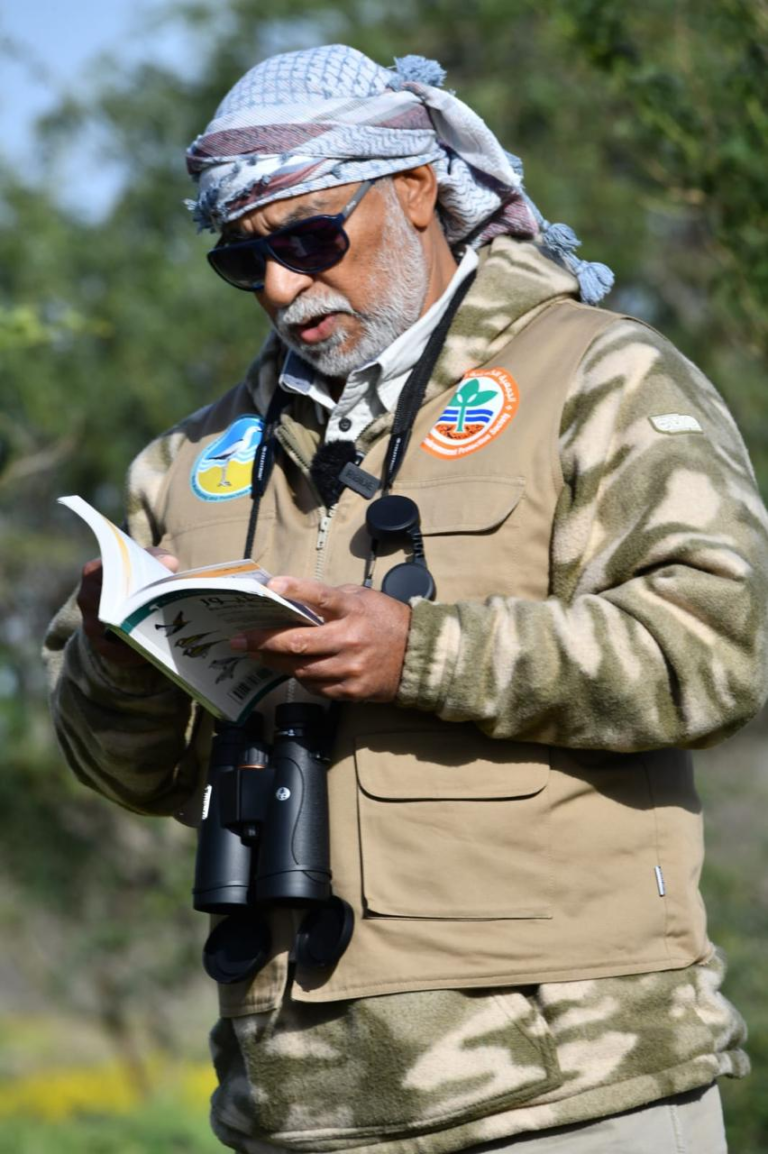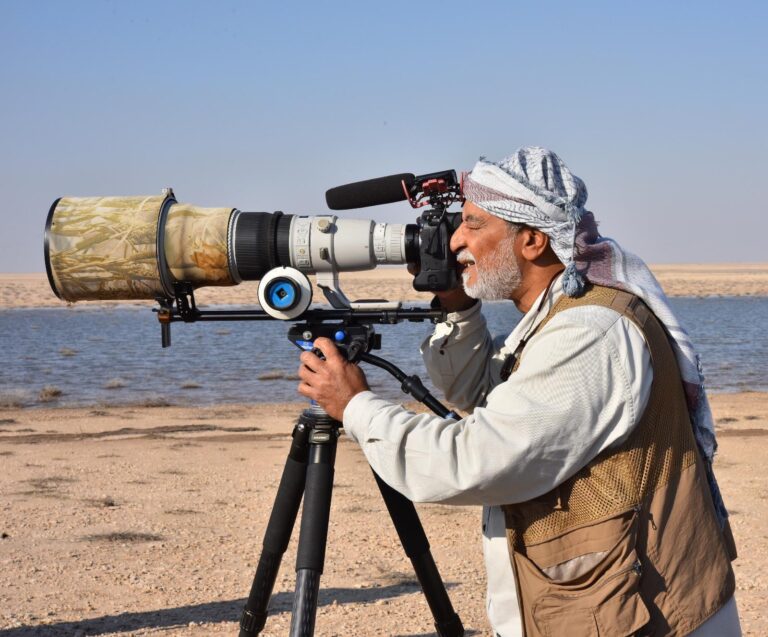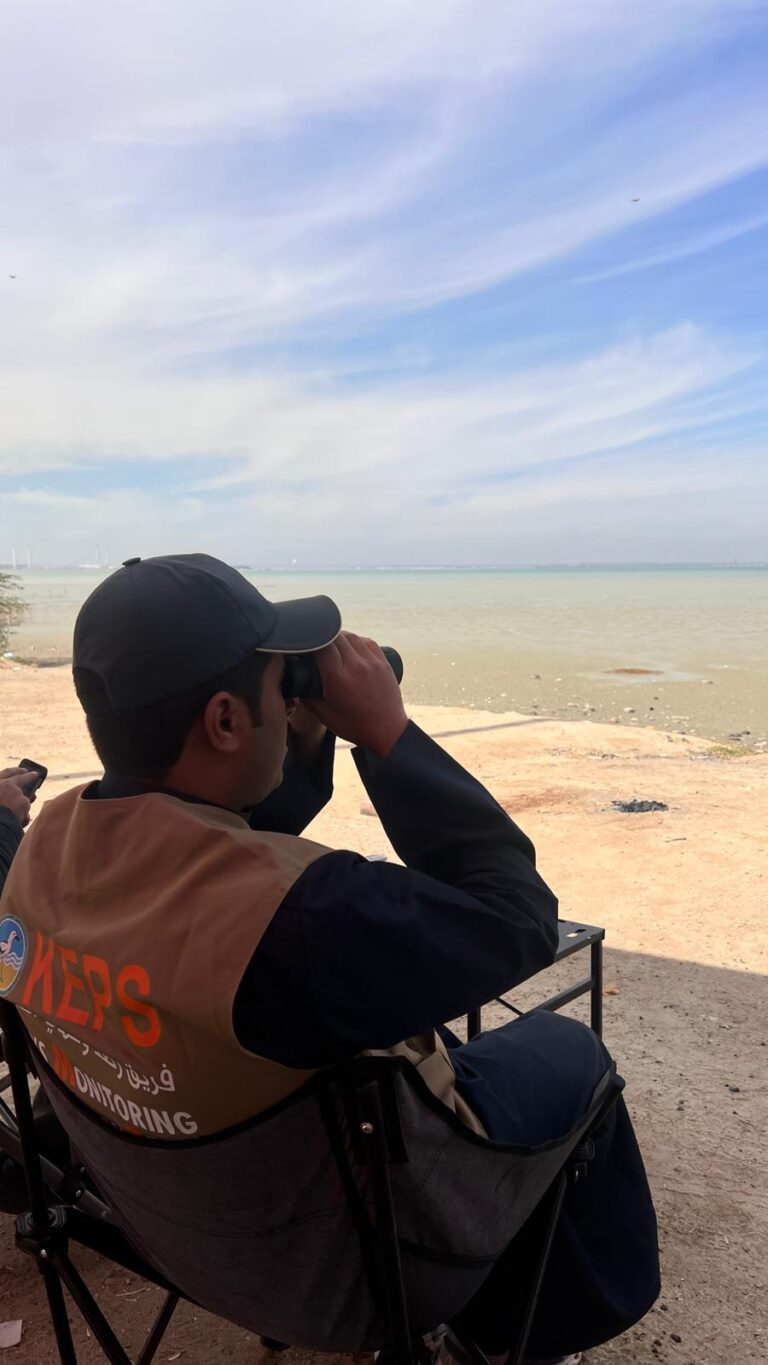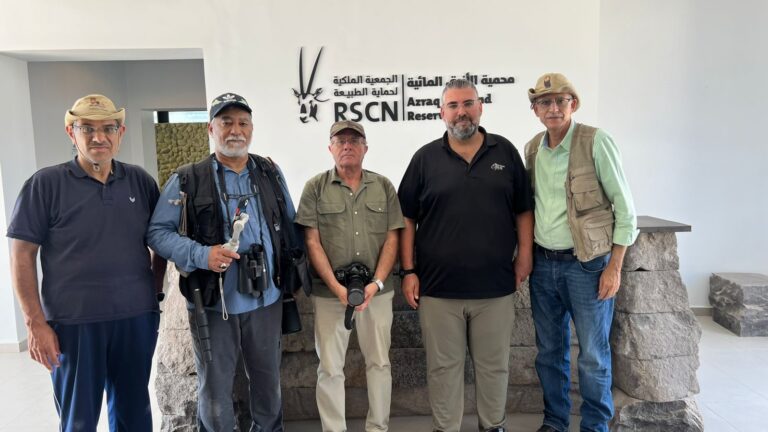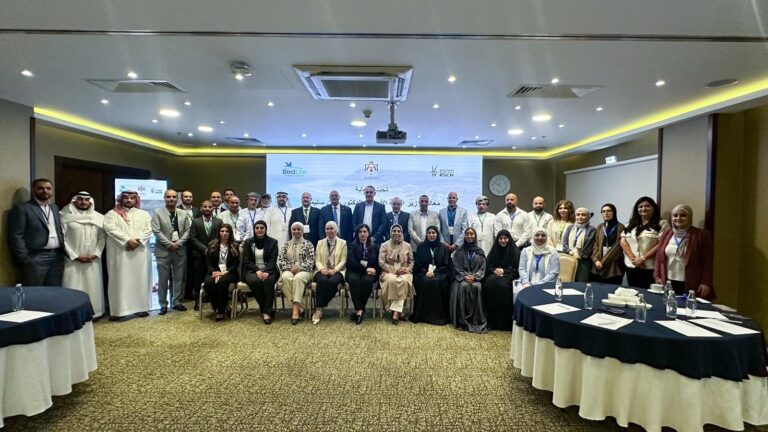
Bird migration is a remarkable natural phenomenon that reflects their ability to adapt to their environment. Spring migration begins in mid-February and lasts until late May, during which time birds are at their most beautiful, displaying their full colors. This was stated by Talal Al-Muwaizri, a member of the bird monitoring and protection team at the Kuwait Environment Protection Society, in his comments on the spring migration of migratory birds, highlighting the most prominent species and their habitats in Kuwait.
In this context, Talal Al-Muwaizri said: “Every year, birds migrate from the northern regions to the southern regions, and the migration includes all the continents of the globe, in order to escape the bitter cold and short days, to search for areas with a more temperate climate and longer days.” In our region, birds migrate from Europe and Central Asia, passing through Kuwait and the Middle East until they reach Africa and India, and this migration is called “autumn migration.”.
He added: “Birds rely on several methods for their autumn migration, including following straight paths such as coasts and rivers, or using the stars at night. The autumn migration begins in mid-August and lasts until mid-October, when they settle in Africa and India for the winter. When suitable conditions are available in the spring, such as higher temperatures, food availability, and longer days, the birds begin to migrate again and return to Europe and Central Asia to breed and raise their young in safer places with more food. This migration is called the spring migration.”.
Regarding the most prominent birds that come to Kuwait during the spring migration, a member of the Bird Protection Team at the Environment Society stated: “The hoopoe is one of the first migratory birds to arrive in Kuwait, heralding the arrival of spring and the end of winter. In the past, when the hoopoe was seen in large numbers, they used to say, ‘If the hoopoe comes out, the plants will cry out.’ This is evidence that the plants have reached their best state. After it, the rest of the birds arrive gradually, such as small birds or birds of the warbler, the hawk, the crossbill, the murmur, the hammer, the red-headed hawk, the black-headed hawk, and the rest of the birds such as the humrush, the shawla, the mule of the smelt, the daughter of the dyer, the qulayliba, the hummiij, eagles, gulls, quail, and the wild dove (turtle dove).”.
Al-Muwaizri noted that “small birds of prey, which are types of shrikes, come to Kuwait in succession. The first to arrive are the Qahfi, the Arabian Hamami, and the Ashwal Al-Hayda. After them arrive the most beautiful of the shrikes, which got its name for its beauty, namely the Husseini (the masked shrik or the polar Daqnash). The last to arrive at the end of April and May are the Hasawi Hamami and the family of the Qafsi and the Jattbi. The arrival of the Rumani is considered the end of the spring migration season. The State of Kuwait is considered one of the most important bird routes due to the availability of suitable areas for rest and food, such as the Jahra Reserve, the Research Institute Reserve in Kabd, Abraq Al-Habari, and the farms of Al-Wafra, Al-Sulaibiya, and Al-Abdali.”.