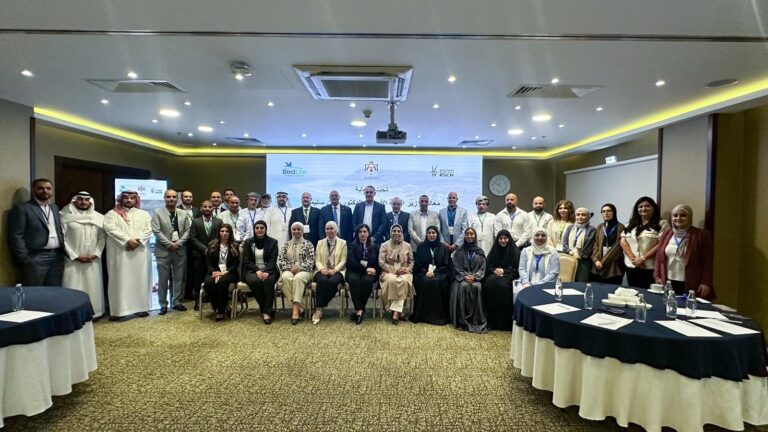
The Kuwait Environment Protection Society affirmed that “water in Kuwait, despite its scarcity, is the lifeblood of the natural environment and plays a pivotal role in preserving biodiversity, especially birds.” It noted that “groundwater, rainfall, and sewage projects are not merely human resources, but rather a vital lifeline benefiting both resident and migratory birds.”.
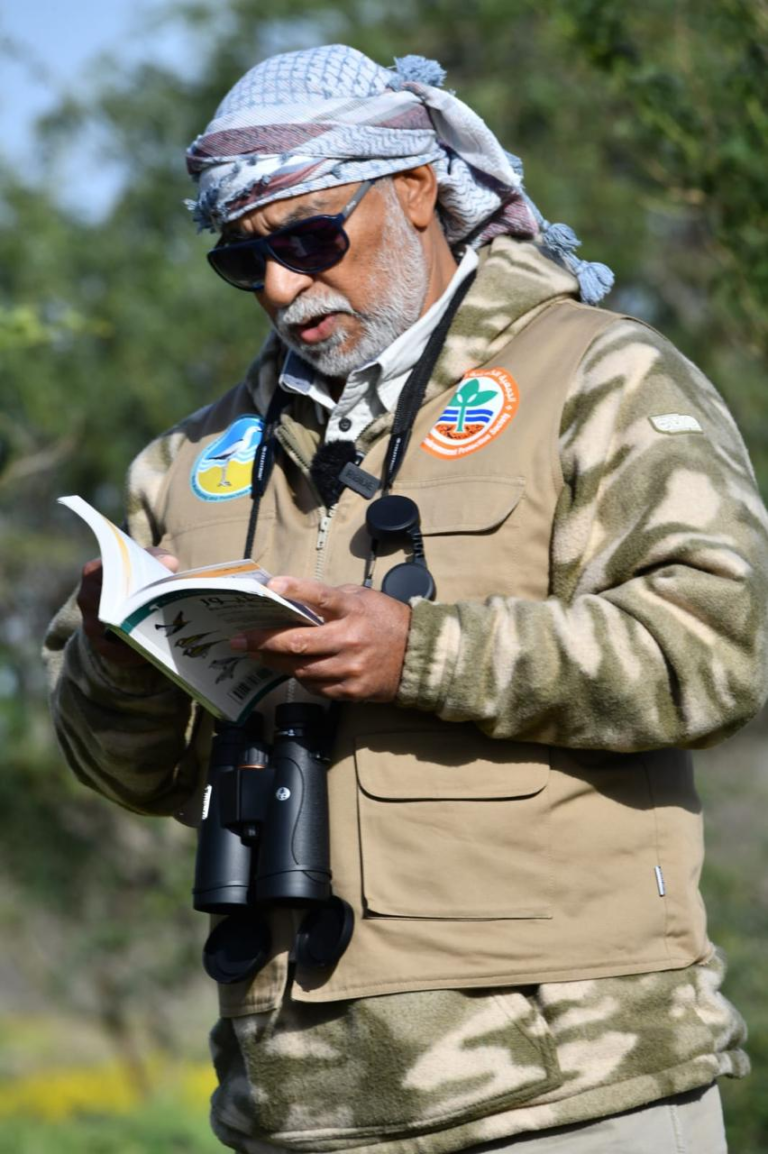
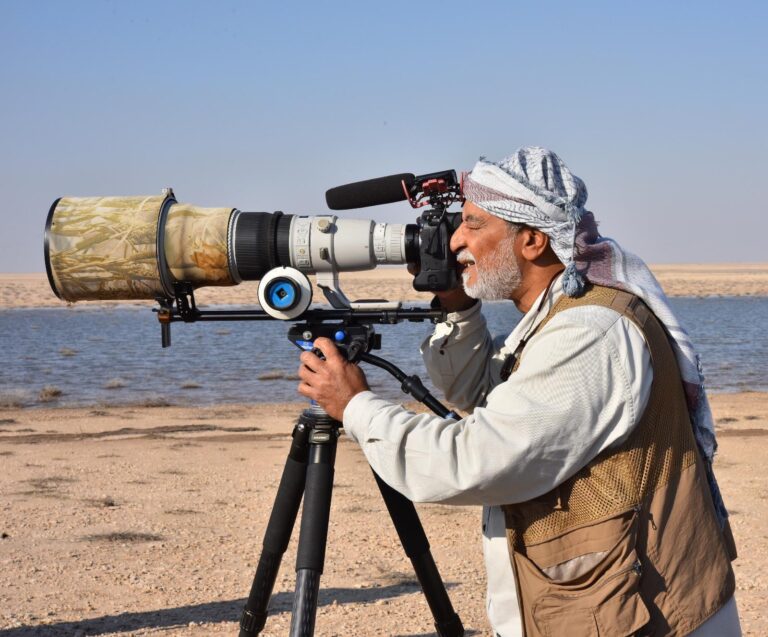
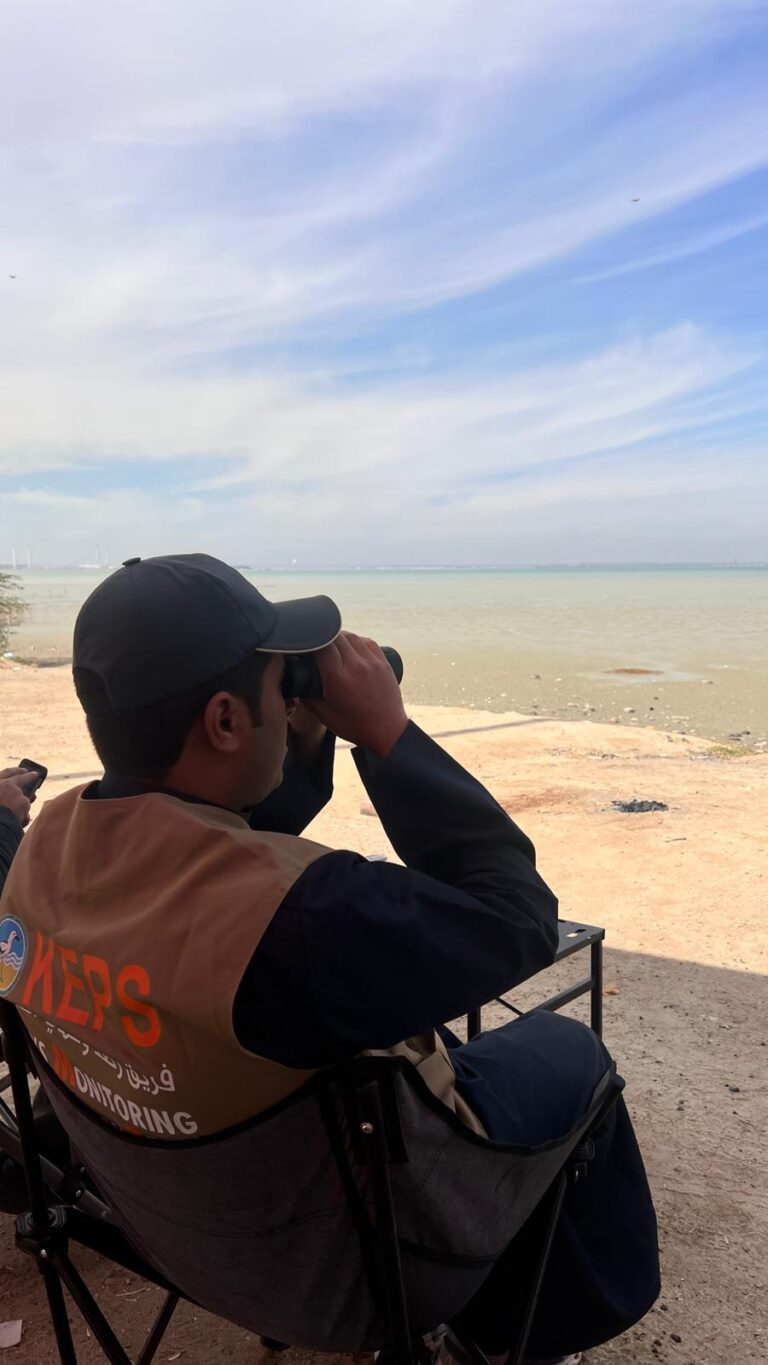
Hence the importance of preserving and developing these resources to maintain the balance of nature and support wildlife in Kuwait.” This came in a press statement today by Ahmed Al-Shawaf, a member of the Bird Monitoring and Protection Team at the Kuwait Society for the Protection of Birds, during his discussion on “Water and Birds in Kuwait: A Relationship of Life and Reproduction.” He added that “water is one of the most important sources of life for all living organisms, as it is the foundation upon which ecosystems are built.”.
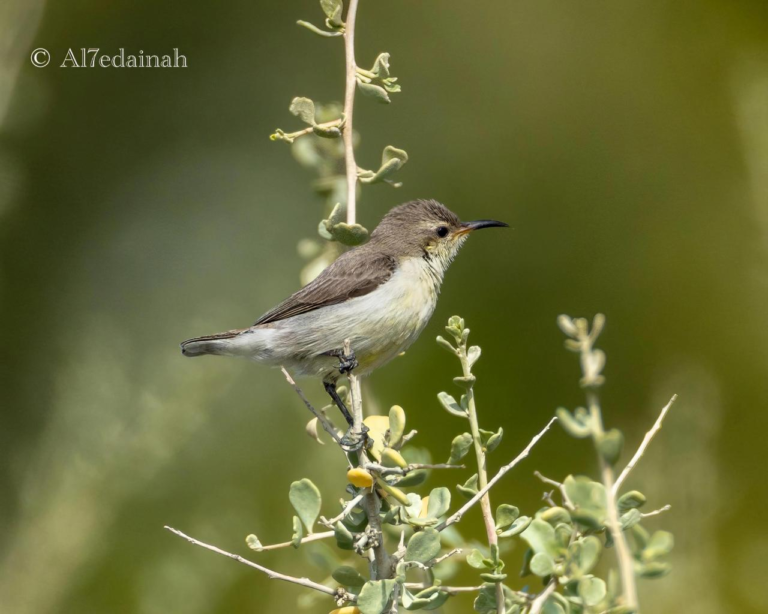
Al-Shawaf explained, “In Kuwait, characterized by its harsh desert climate and scarce rainfall, water is of particular importance in supporting wildlife, especially resident and migratory birds. Groundwater, seasonal rains, and even treated wastewater projects all constitute important sources for the survival and reproduction of birds.” He added, “Despite the limited water resources in Kuwait, they play a key role in attracting birds, both resident and migratory,” noting that “groundwater is one of the ancient sources that humans and nature have relied upon in Kuwait, and some oases and farms irrigated with this water provide a food and water environment for birds, serving as important resting points.”.
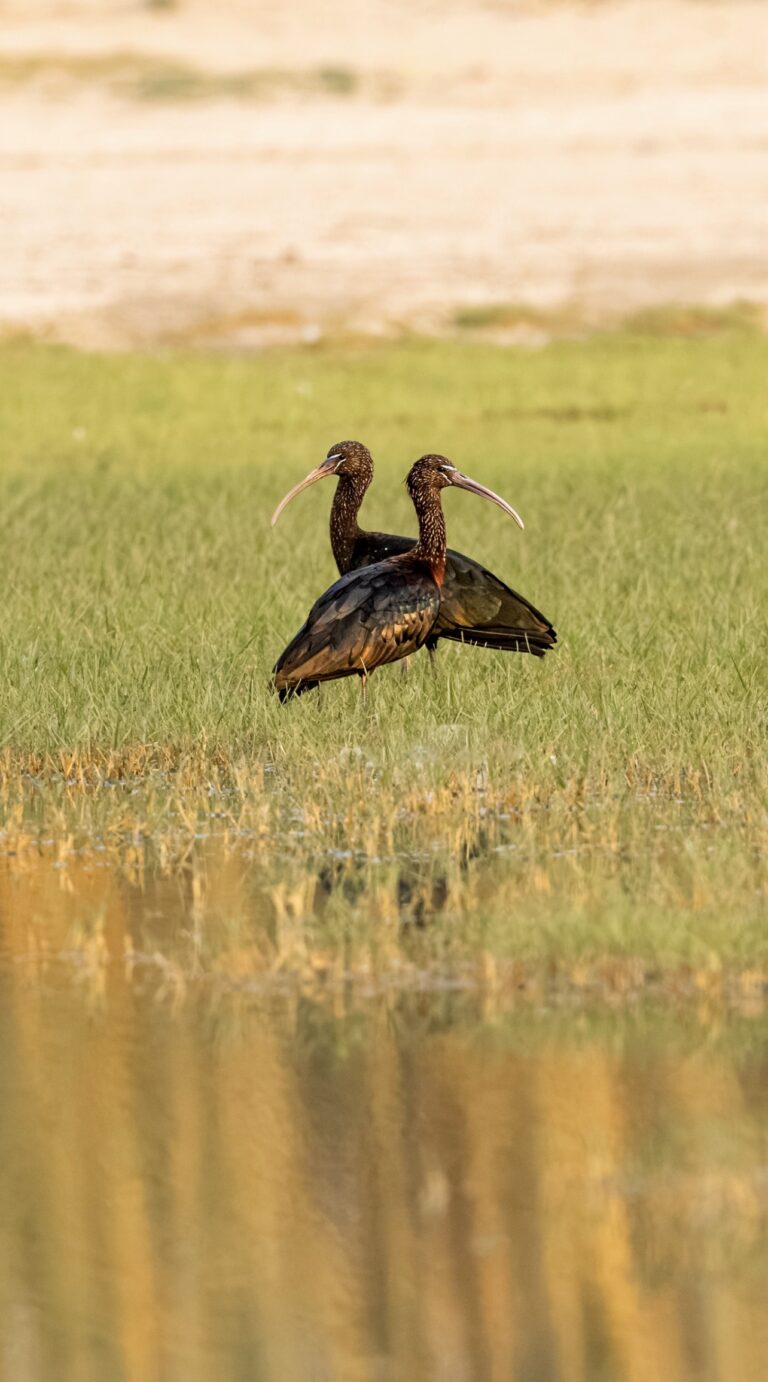
He noted that “while rainfall is scarce, seasonal rains create temporary water pools in the wilderness, providing migratory birds with drinking and food sources during their long journeys between north and south. These pools also attract insects and plants that are a staple food for some species.” Regarding treated wastewater and its relationship to birds, Ahmed Al-Shawaf said, “It represents one of the modern solutions to the problem of water scarcity, as it is used to create artificial lakes and reserves such as the Jaber Bridge and Jahra reserves, which have become rich habitats for resident birds such as bulbuls and doves, and also attract migratory birds such as flamingos and wild ducks.“.
Ahmed Al-Shawaf, a member of the bird monitoring and protection team at the Kuwait Environment Protection Society, concluded his remarks by saying: “These water sources directly affect the reproduction of birds. The presence of water means an abundance of food and safety, which encourages birds to build their nests and stay for longer periods. Therefore, we find that some migratory birds may, over time, become semi-resident birds due to the availability of water and vegetation, such as the Indian plover in the Sulaibiya Reserve.”.