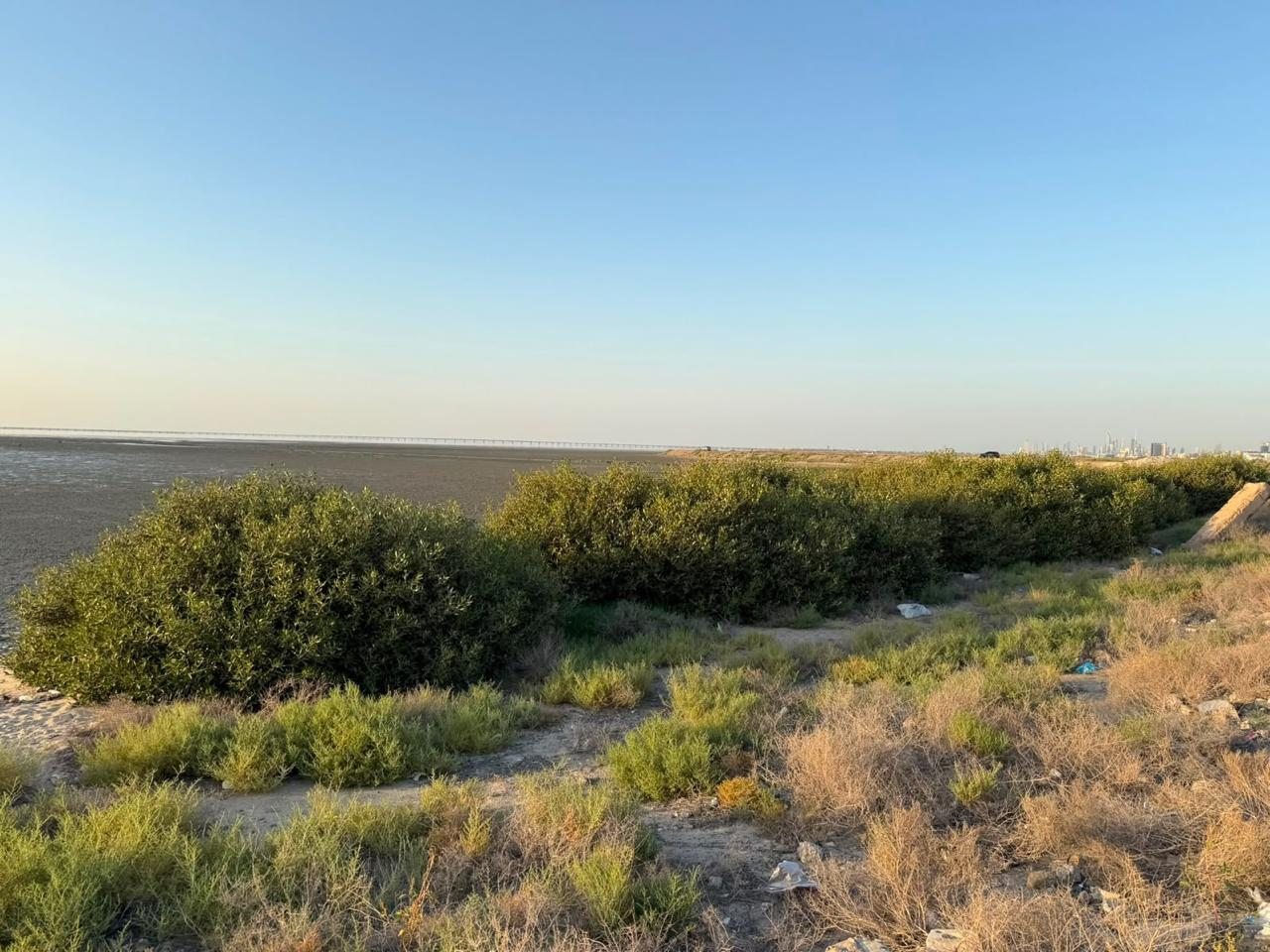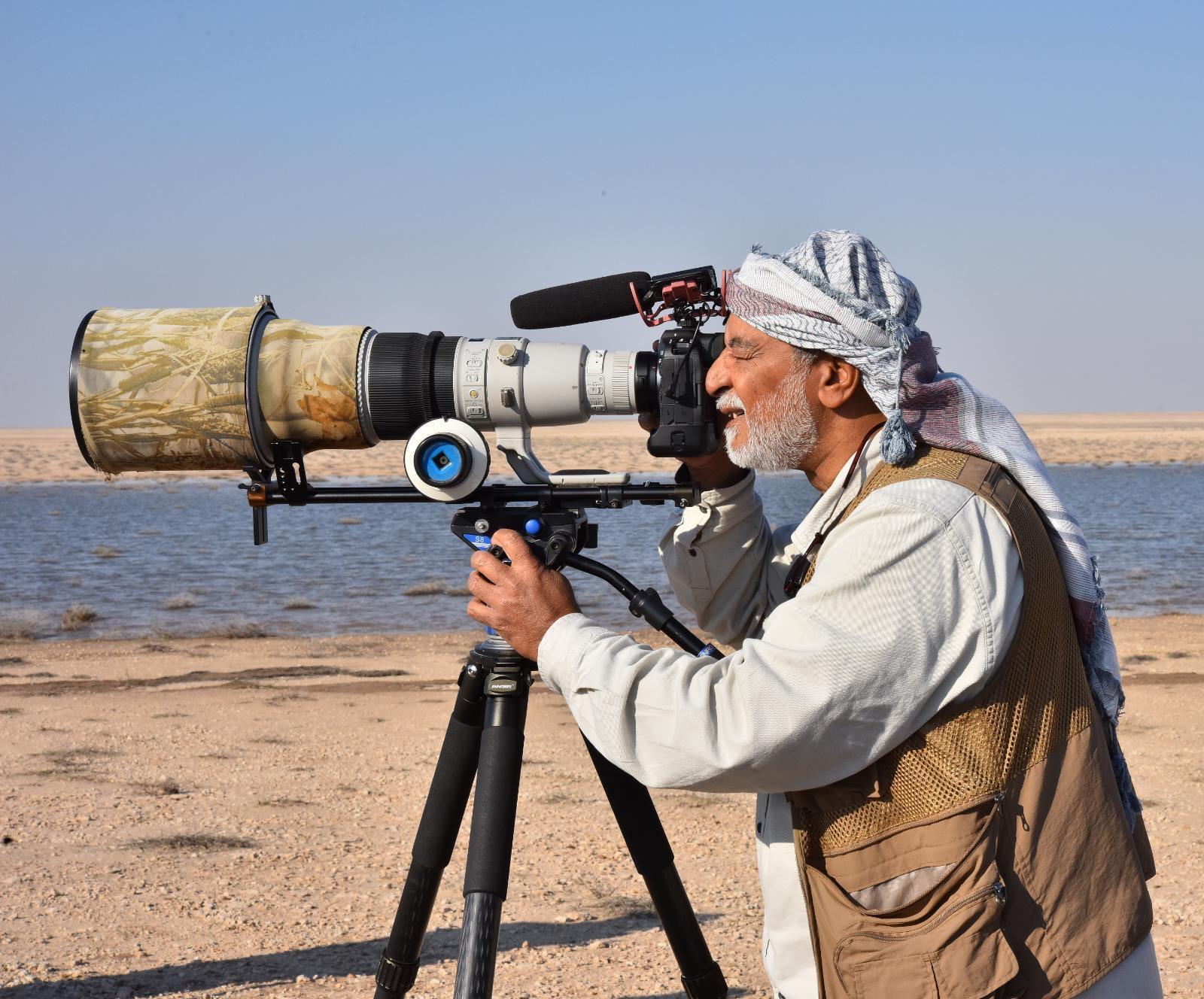
In a field trip aimed at compiling the final report on bird monitoring in the State of Kuwait for 2025, the bird monitoring and protection team of the Kuwaiti Society for Environmental Protection conducted a field tour in the Al-Abraq area and its surroundings in northwestern Kuwait. The purpose of the tour was to follow up on the latest bird monitoring and observation activities in the country and to record new species and their numbers. In this context, the team leader, Mohammed Shah, stated: “The tour began at 8:00 AM at the meeting point on the Al-Salmi Road and continued until 8:00 PM the same day. The tour had several objectives, including observing a number of wintering birds, such as the European Robin and the Common Thrush, as well as other resident birds that are difficult to spot during the day, such as the Barn Owl. The Sand Cat was a particular focus for the nine team members participating in the tour, who aimed to observe it in its natural habitat.” Shah continued, “The team members—Mohammed Al-Hadheena, Ahmed Al-Shawaf, Dr. Fatima Dashti, Shatha Al-Hay, Alaa Al-Ruwaished, Talal Al-Muwaizri, Athari Buhamad, Maryam Al-Mulla, and Mohammed Shah—continued their birdwatching activities throughout the morning until midday. We paused for lunch and tea, then resumed our search until sunset. We took another break, waiting for nightfall, and then began searching for the sand cat. After spotting and photographing it, everyone headed to the Sulaibiya farms area to observe the barn owl, which was waiting for us on the farm walls.” He added, “The team managed to spot 24 bird species, most of which are winter visitors to the country. These sightings were distributed across four checklists in the global ebird program. Following this expedition, the team will release its annual report for 2025 on birdwatching in Kuwait, which includes 424 bird species, adding five new species to the list of Kuwait’s birds.” Mohammed Shah concluded, “It is noteworthy that in 2025, birds that had been absent for long periods of time were observed, then returned in large numbers in various areas of Kuwait. For example, the Red-shouldered Red-back ...