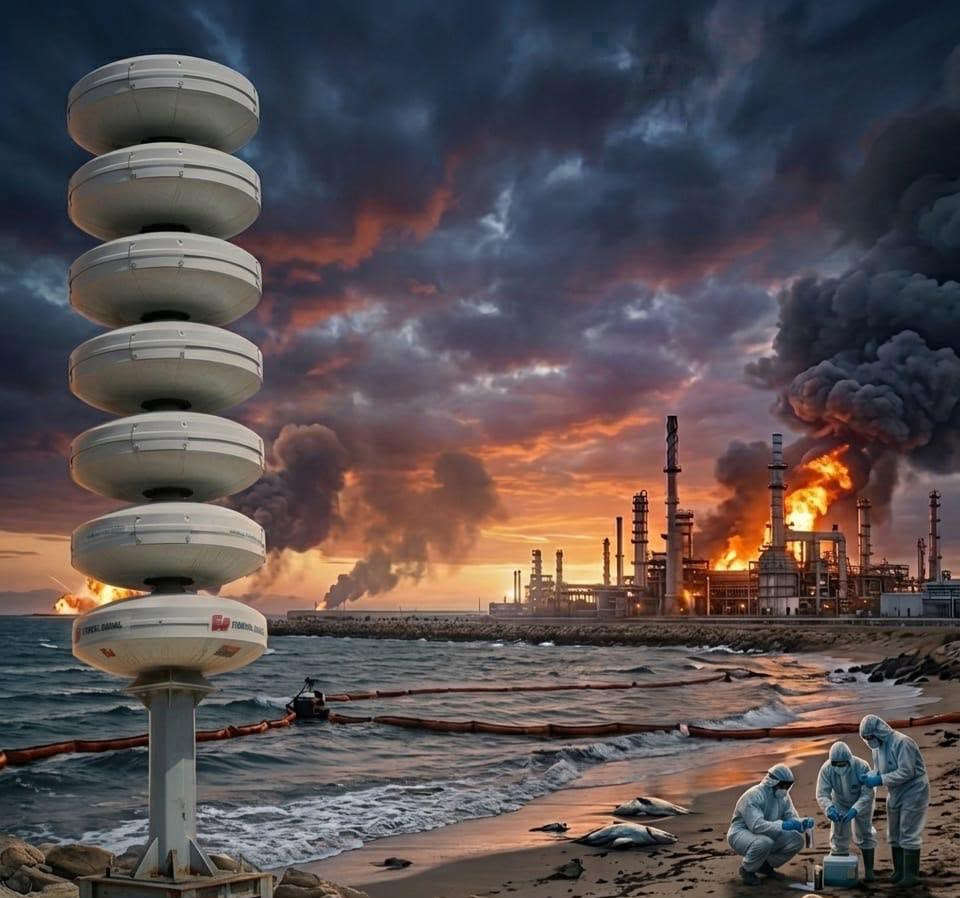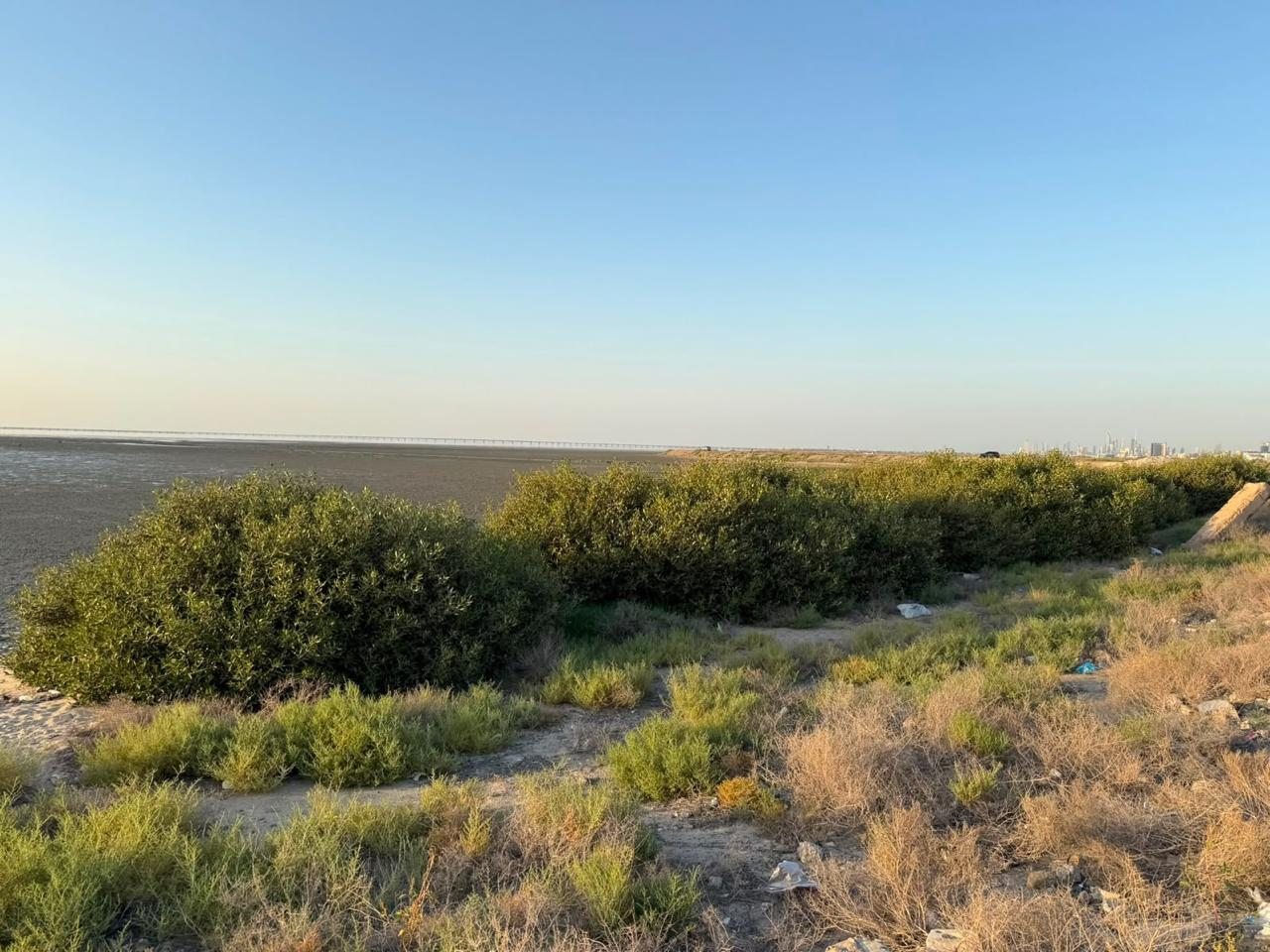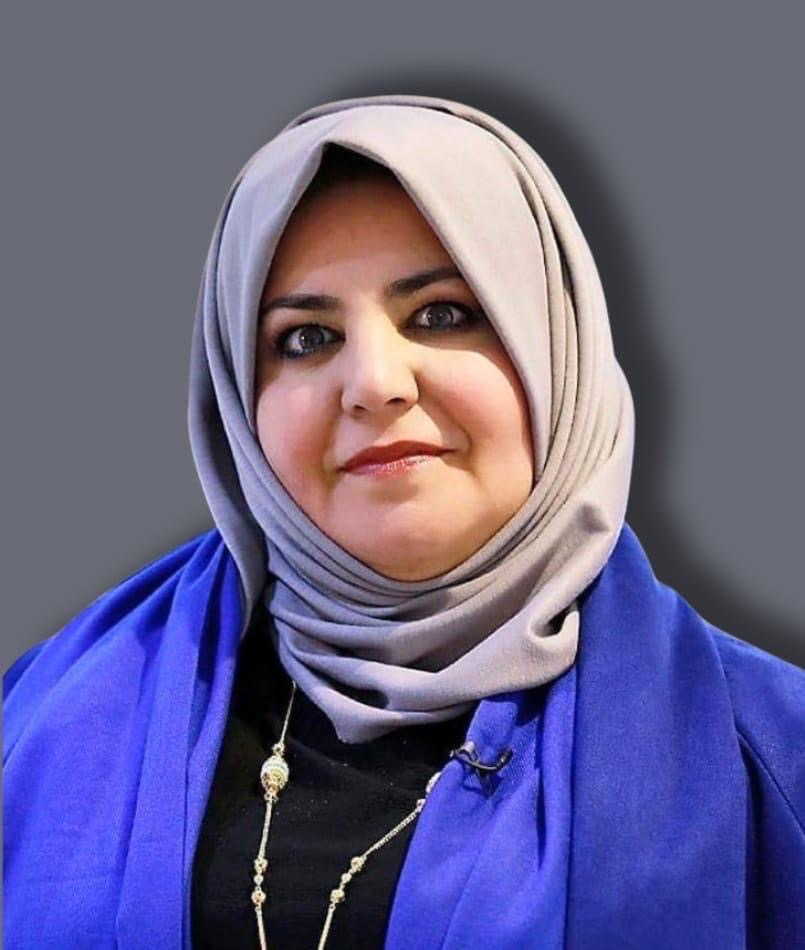
On the occasion of Regional Environment Day, which falls on April 24th, Dr. Wajdan Al-Aqab, Chairperson of the Board of Directors of the Kuwaiti Society for Environmental Protection and President of the Gulf Network of Environmental NGOs, announced the opening of membership applications to the Gulf Network of Environmental NGOs. Dr. Al-Aqab explained that “the Network is a Gulf body with legal personality and is headquartered in the State of Kuwait. It has full capacity to conduct its business and achieve its objectives, which focus on strengthening and developing cooperation and coordination mechanisms among environmental institutions, and exchanging knowledge and expertise with relevant governmental and non-governmental bodies and international organizations.” She added that the Network also aims to “highlight the efforts of the Gulf countries in preserving the environment and to raise awareness of the activities and roles of institutions directly related to the environment.” Regarding its most important objectives, she stated: “Cooperation to enhance joint projects for environmental protection, rehabilitation, and development in the GCC countries, and to strengthen the confidence of GCC citizens in regulatory bodies and support them in performing their duties and achieving their goals.” She explained: “Given the rapid regional developments and their accompanying potential environmental risks, particularly incidents involving oil tankers and threats to maritime navigation routes, and the resulting oil spills that threaten the marine environment in the Arabian Gulf, we are reminded of the environmental disaster that occurred in the Gulf following the 1991 Gulf War. We are now witnessing a repetition of this regional scenario three decades later, with the repercussions of current events. It is regrettable that such risks are resurfacing on this day, despite the level of environmental awareness in the region.“ In this context, Dr. [Name] praised… Wajdan Al-Aqab called on the relevant authorities in the Gulf Cooperation Council (GCC) countries to strengthen their systems for continuous environmental monitoring and analysis. This includes monitoring marine water quality, tracking oil pollutants, and monitoring any indicators of radioactive contamination, using the latest scientific technologies and field measurement stations, to ensure the rapid detection and efficient and effective response to any pollution. She emphasized the importance of leveraging joint programs and initiatives within the GCC framework, as well as cooperating with relevant regional organizations. This will contribute to unifying efforts and enhancing regional preparedness to address emerging environmental challenges and make decisions based on sound scientific principles, thereby strengthening trust and integration in managing transboundary environmental crises. Dr. Wajdan Al-Aqab, President of the Kuwaiti Society for Environmental Protection and the Gulf Network of Environmental NGOs, concluded by stressing the importance of civil society organizations and their roles, and announced the opening of membership applications to environmental NGOs in the GCC countries.