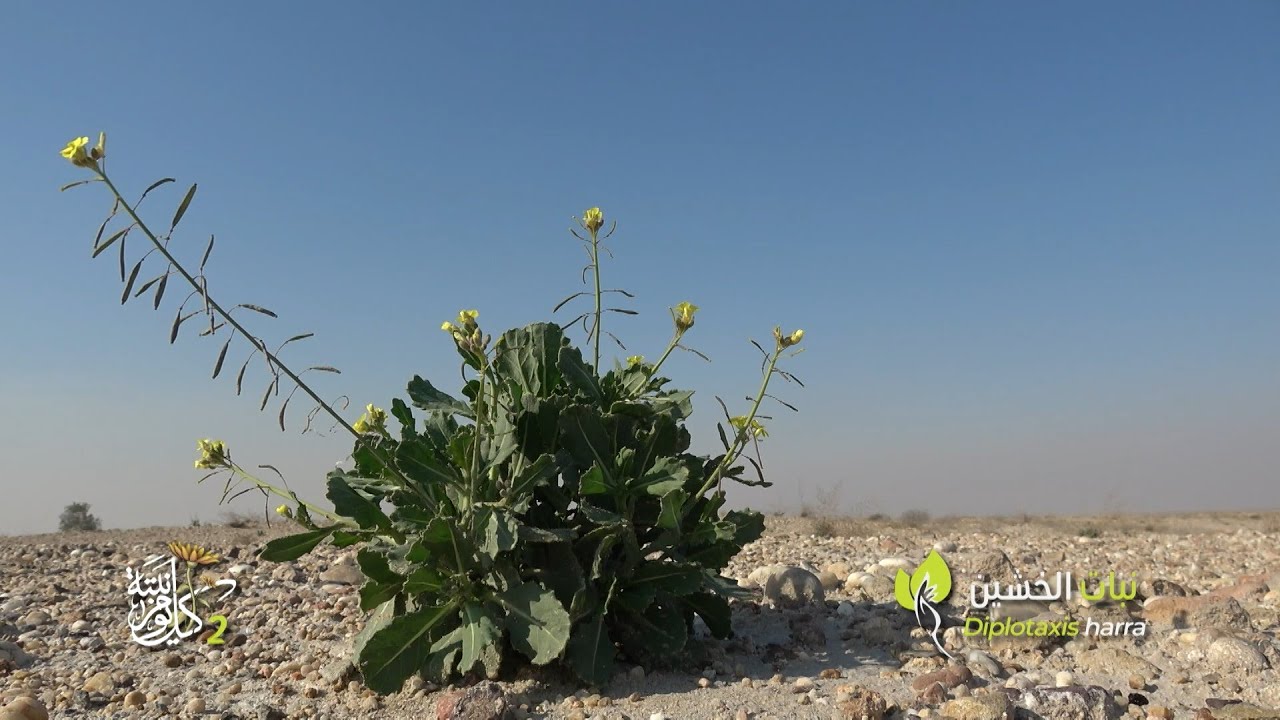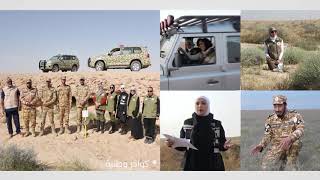
An expert workshop organized by the Sabah Al-Ahmad Center for Specialized Environmental Training, affiliated with the Kuwaiti Society for Environmental Protection, and held annually for the past six years to mark World Day to Combat Desertification and Drought, emphasized the imperative of adopting scientific, practical, and technical measures to curb the spread of desertification in Kuwait. Dr. Wafaa Behbehani, a member of the Society, highlighted the "need to adopt innovative and sustainable solutions that address the problem of desertification in Kuwait and mitigate its environmental and economic impacts, as well as to expand the protection of natural reserves, vegetation cover, and soil." Dr. Behbehani noted that "efforts to combat desertification require activating international environmental agreements, enhancing community awareness, and moving towards sustainable afforestation, in addition to strengthening community partnerships to protect these areas and ensure a safe environment for future generations." She pointed out that "smart monitoring and analysis tools have become an integral part of any effective land protection strategy." She pointed out that “desertification in Kuwait came as a result of a combination of factors from the deterioration of the desert environment due to drought, human activities and the aftermath of the Gulf War,” adding that “reducing land degradation in Kuwait requires a broad perspective and an applicable strategy in light of urban expansion, the misuse of land during the camping season, and the effects of overgrazing and erosion.” She added, “The latest international reports reveal that desertification is no longer a local issue but a growing global crisis. According to estimates by the Food and Agriculture Organization (FAO) issued in June 2025, approximately 1.66 billion hectares of land worldwide, representing more than 10 percent of the total land area, are degraded due to human activities. More than 60 percent of this degradation occurs in agricultural land, which produces 95 percent of the world's food. She stated, ”The United Nations estimates that the risks of desertification threaten the livelihoods of more than one billion people in nearly 100 countries, and that the world loses approximately 12 million hectares of land annually due to desertification, equivalent to 20 million tons of lost grain and economic losses estimated at around $42 billion annually. UN reports also warn that approximately 50 million people could be displaced in the next decade as a result of this phenomenon.“ She continued, ”According to a field study prepared by the scientific researcher and member of the association, Dr. Raafat Misak, severe desertification in Kuwait is represented by gravel quarries and landfills, and its percentage is approximately…“ Ten percent, while moderate desertification, characterized by plant degradation and loss of biodiversity, reaches about 75 percent, and mild desertification accounts for 15 percent.” She continued, “In contrast to these figures, current research efforts are focused on utilizing artificial intelligence technologies as a complementary tool to fieldwork in combating desertification. According to specialized analyses, machine learning and deep learning algorithms, along with image processing, intelligent geographic information systems, remote sensing technologies, and drones, enable the early detection of desertification signs, prediction of its spread, and planning proactive interventions at the lowest possible cost.“ She emphasized, ”The main challenges remain data quality, application costs, and the need for multidisciplinary teams, which necessitates close cooperation between researchers, government agencies, and the private sector.“ Dr. Wafaa Behbehani concluded her statement by affirming that ”Kuwait suffers from factors that have led to drought and desertification, most notably harsh environmental conditions such as high temperatures, low rainfall, sand and dust storms, and soil salinization, in addition to human activities such as camping and overgrazing.“ ”Oil pollution resulting from the bombing of oil wells during the war,“ she stressed, adding that ”investing in smart monitoring and analysis tools has become an essential part of any national strategy to confront these challenges.“.