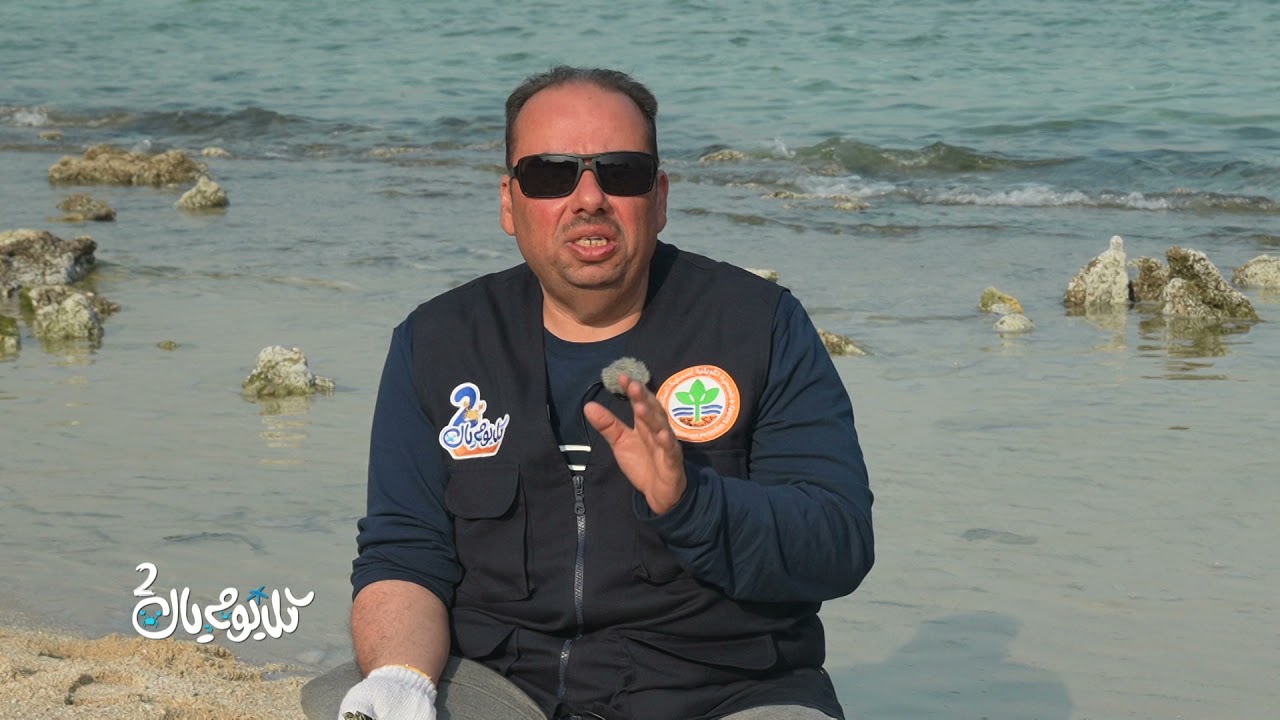
Ahmad Murad, a member of the Kuwaiti Society for Environmental Protection, affirmed that plastic pollution has become one of the most serious environmental challenges facing the world. He pointed out that its dangers are no longer limited to disfiguring natural landscapes, but have extended to marine ecosystems, biodiversity, food security, and human health, in addition to costing coastal economies billions of dollars annually. On the occasion of World Plastic Bag Free Day, Murad explained that the latest scientific studies indicate that approximately 11 million metric tons of plastic waste enter the seas and oceans every year, while the volume of plastic currently accumulating in the marine environment is estimated at up to 190 million tons. He added that approximately 801 TP3T of marine pollution originates from land-based sources due to poor waste management, indiscriminate dumping, and rainwater runoff carrying waste to the sea, while about 201 TP3T comes from maritime activities such as fishing and shipping. This underscores that reducing pollution begins with changing daily behaviors and improving waste management on land. Murad pointed out that the most dangerous aspect of plastic pollution is that plastic does not decompose completely. Instead, it breaks down into tiny particles known as microplastics, which spread through water and marine sediments and enter the food chain via fish and other marine organisms, ultimately reaching humans. This makes the issue both environmental and health-related. He explained that recent studies confirm that plastic waste causes turtles, fish, and seabirds to ingest pieces of plastic. Furthermore, many marine creatures become entangled in discarded plastic nets and ropes, a phenomenon known as "ghost fishing," which continues to trap marine life for years after it is lost. This also damages coral reefs and marine habitats, contributing to a decline in biodiversity. He added that the effects of plastic pollution are not limited to the environment but extend to the economy, directly impacting the fishing sector and coastal tourism, increasing beach cleanup costs, and harming coastal communities that depend on marine resources for their livelihoods. He noted that studies estimate global economic losses resulting from marine pollution at more than $21 billion annually, with expectations of this figure rising if current pollution levels persist. Murad stressed that confronting this crisis requires more than simply disseminating awareness messages. He explained that the latest studies indicate that the success of any policy to reduce plastic pollution depends on four integrated pillars: continued community awareness, providing practical and affordable alternatives such as reusable cloth bags, rigorous enforcement of environmental legislation, and improving waste management and recycling systems. Murad concluded by emphasizing that preserving the seas is a shared responsibility, and that adopting more sustainable consumption patterns represents an investment in human health, protecting biodiversity, and safeguarding natural resources for future generations.