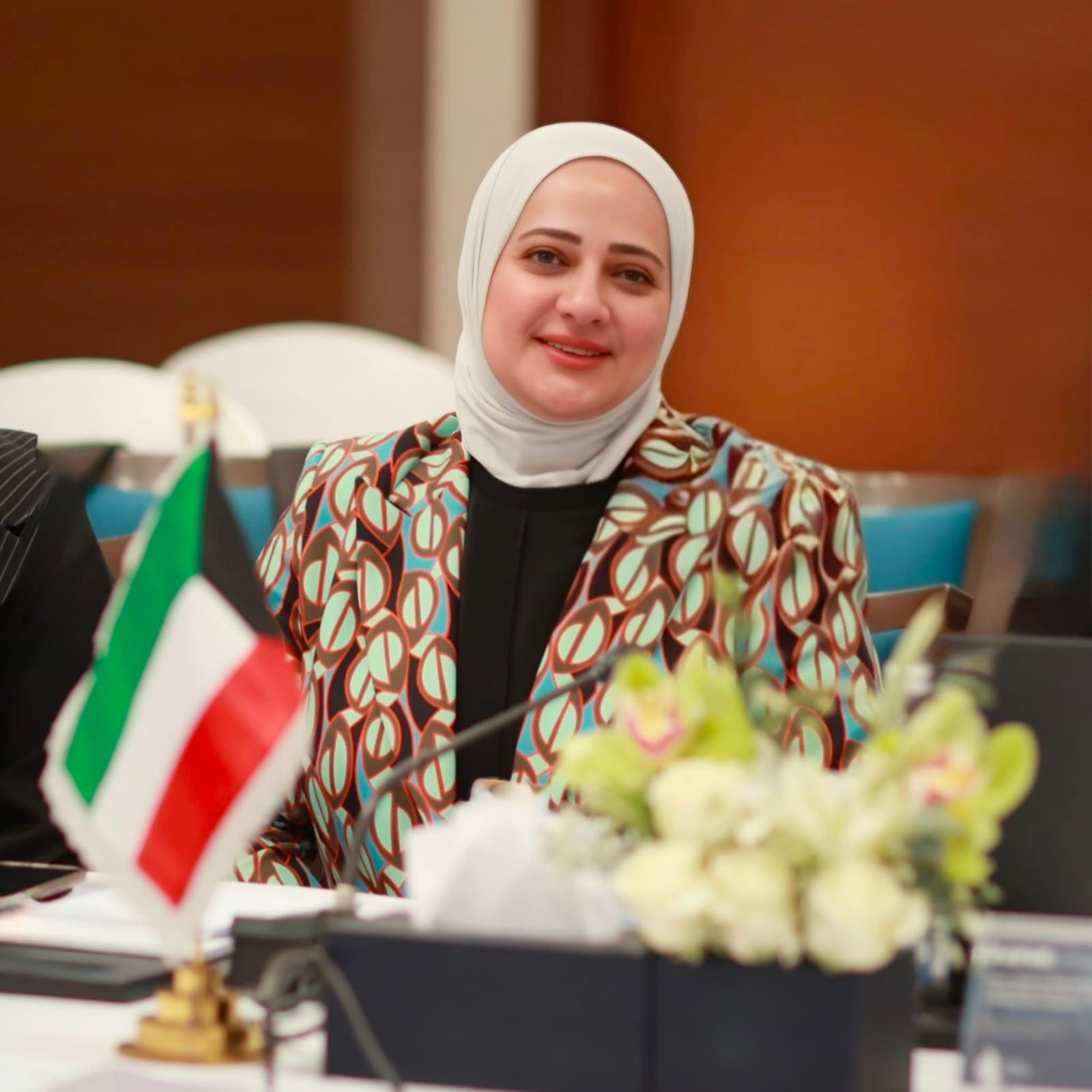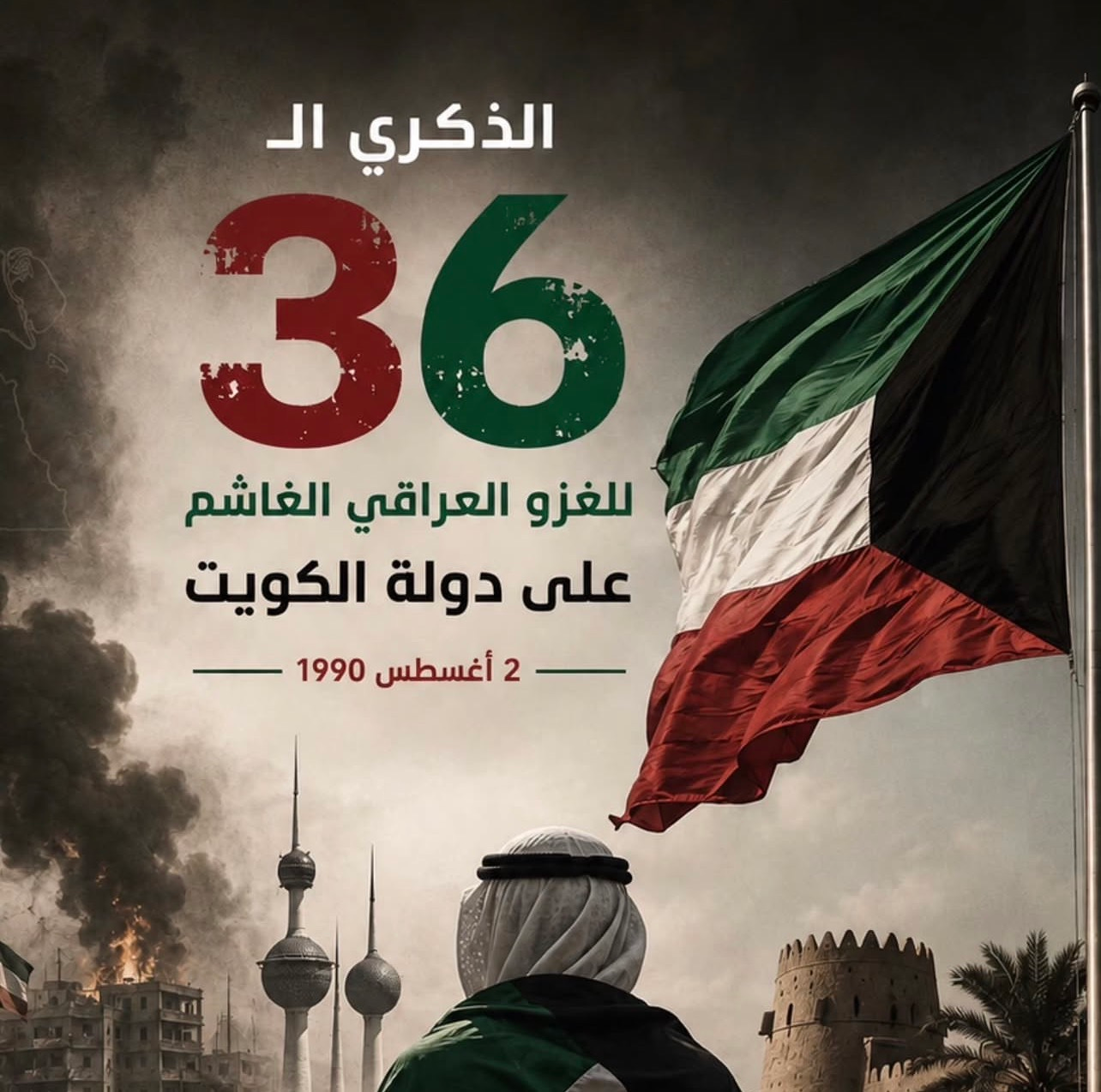
The Kuwaiti Society for Environmental Protection emphasized “the critical link between the events in Kuwait in 1990 and the ongoing war in the Gulf region, including the brutal Iranian attacks on natural resources, public and private facilities, resulting in environmental damage and the destruction of infrastructure, which exacerbates long-term pollution.” On the 36th anniversary of the abhorrent Iraqi occupation of Kuwait on August 2, 1990, the Society’s president, Dr. Wajdan Al-Aqab, stated that “Kuwait’s environmental renaissance began with the exposure of the extent, nature, and impact of the destruction on the country’s various environments. Following liberation, the Kuwaiti Society for Environmental Protection called for a governmental body to address environmental issues, culminating in the establishment of the Environment Public Authority in 1995. This was followed by the efforts of Kuwaitis in enacting Environmental Protection Law No. 42 of 2014 and its amendments, and the diligent work undertaken by relevant authorities to rehabilitate damaged environments, treat soil, and eliminate the oil lakes that had covered Kuwait’s desert.” Dr. Al-Aqab added, Al-Aqab stated that “the Kuwaiti environment suffered unprecedented destruction due to the military operations and the burning and destruction of oil wells during the brutal Iraqi invasion,” noting that “the state has made significant progress, at a considerable cost, in rehabilitating the degraded ecosystems, but much remains to be done.” She pointed out that “during the Iraqi invasion, Kuwaiti lands were transformed into a theater of military operations, where heavy military equipment, including tanks and armored vehicles, moved across the fragile desert surface, leading to alterations in the precise topography, soil erosion and fragmentation, destruction of vegetation, and the killing of wildlife. Iraqi forces also planted at least two million landmines in the Kuwaiti desert.” She added that “the environmental crime resulted in the bombing and burning of oil wells, creating what became known as oil lakes or death traps that covered vast areas and swallowed thousands of silent victims, such as birds and wild animals.” She emphasized “the importance of considering the marine environment, as well as the components of the Kuwaiti desert—its soil, wildlife, land features, and groundwater—as a true asset and natural capital that must be developed and rehabilitated.” She explained that “the environmental effects extended to the GCC countries with the pollution of the waters of the Arabian Gulf and the western coast of the Gulf in a wide extent on the coasts of the Kingdom, Qatar and Bahrain. This affected the marine environment and fish stocks, which prompted the GCC countries to join forces during those dark days to protect the environment and its elements in an attempt to stop the spread of the negative cross-border impact on the environment, especially in the shared water bodies. The world was also aware of the spread of the impact of the fires and their black smoke, laden with deadly pollutants, for thousands of miles across continents.” It condemned “Iran’s deliberate use of the environment as a tool of war today, threatening water and food security, by targeting the infrastructure of power generation and desalination plants, in addition to the dangers of threats in the Strait of Hormuz and targeting ships, whether commercial or oil tankers, in a deliberate crime to pollute the waters of the Arabian Gulf. It seems that the shortsightedness of the Iranian enemy has prevailed in its decisions, and it has forgotten that it shares with us this semi-enclosed body of water, and it will inevitably be affected by the same damage that affects us in the ecosystems that control water and food security on both sides, and it disrupts the efforts made to combat environmental degradation, loss of biodiversity, and suffering from pollution on land, sea, and air.” In this regard, she pointed to “the historical and international role of the Kuwaiti Society for Environmental Protection when it adopted and led community efforts with Kuwaiti diplomacy to seek the United Nations to adopt an international resolution considering the anniversary of the extinguishing of the last burning oil well on November 6, 1991, as an international day to prevent the use of the environment in wars and military conflicts, which was achieved thanks to the efforts of Kuwaiti diplomacy in the corridors of the United Nations. Indeed, the resolution was issued with the inclusion of the State of Kuwait raising awareness of it annually, and this is what the Kuwaiti Society for Environmental Protection undertakes annually through the celebration of raising awareness of November 6 every year.”.