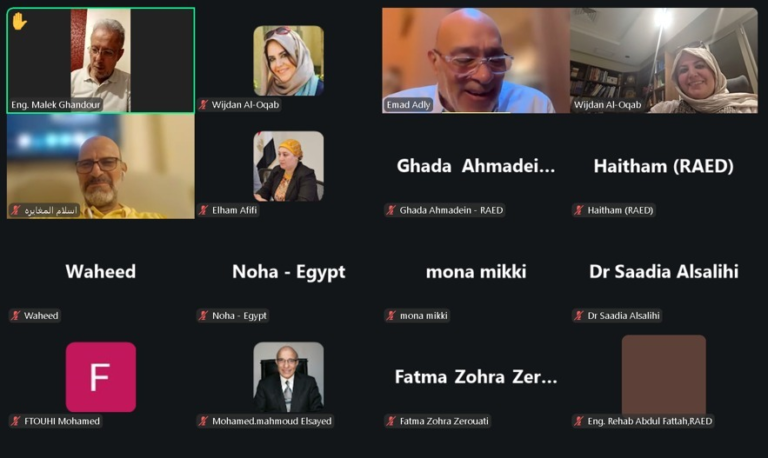
The Kuwait Environment Protection Society participated in the virtual meeting of the “Main Group of Arab Civil Society Organizations for Disaster Risk Reduction” with a workshop that addressed the Society’s efforts in working to reduce disaster risks.
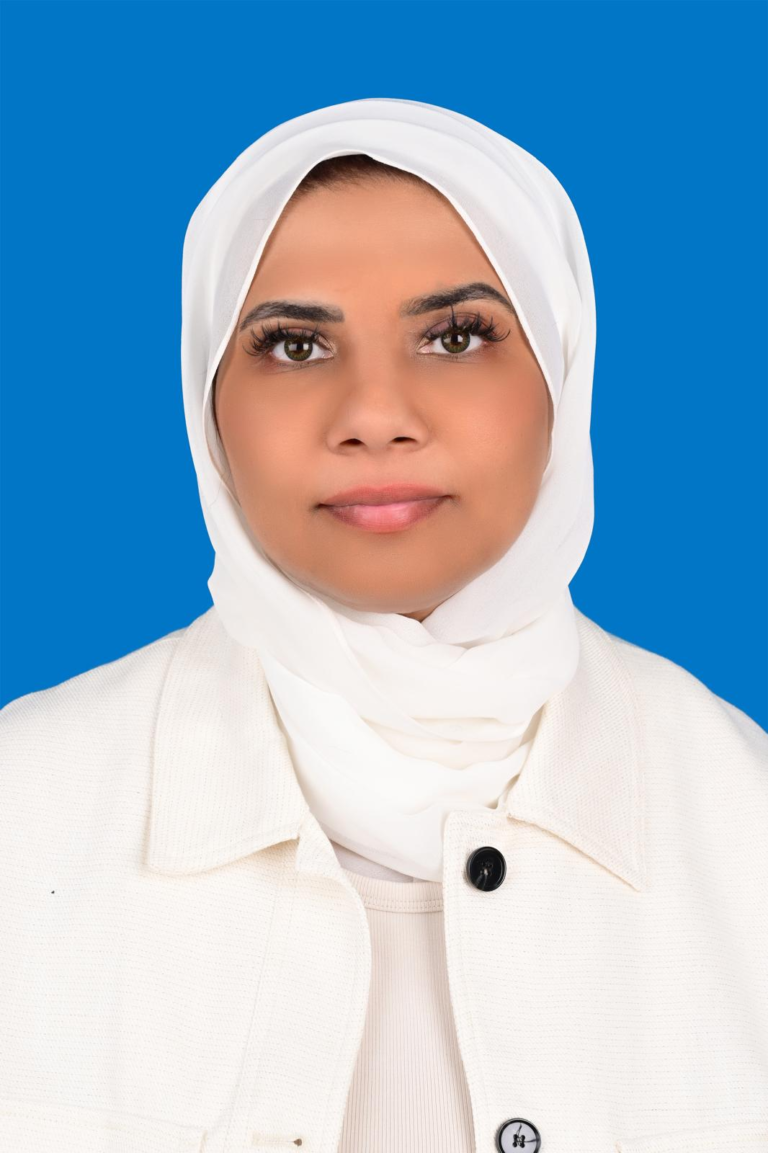
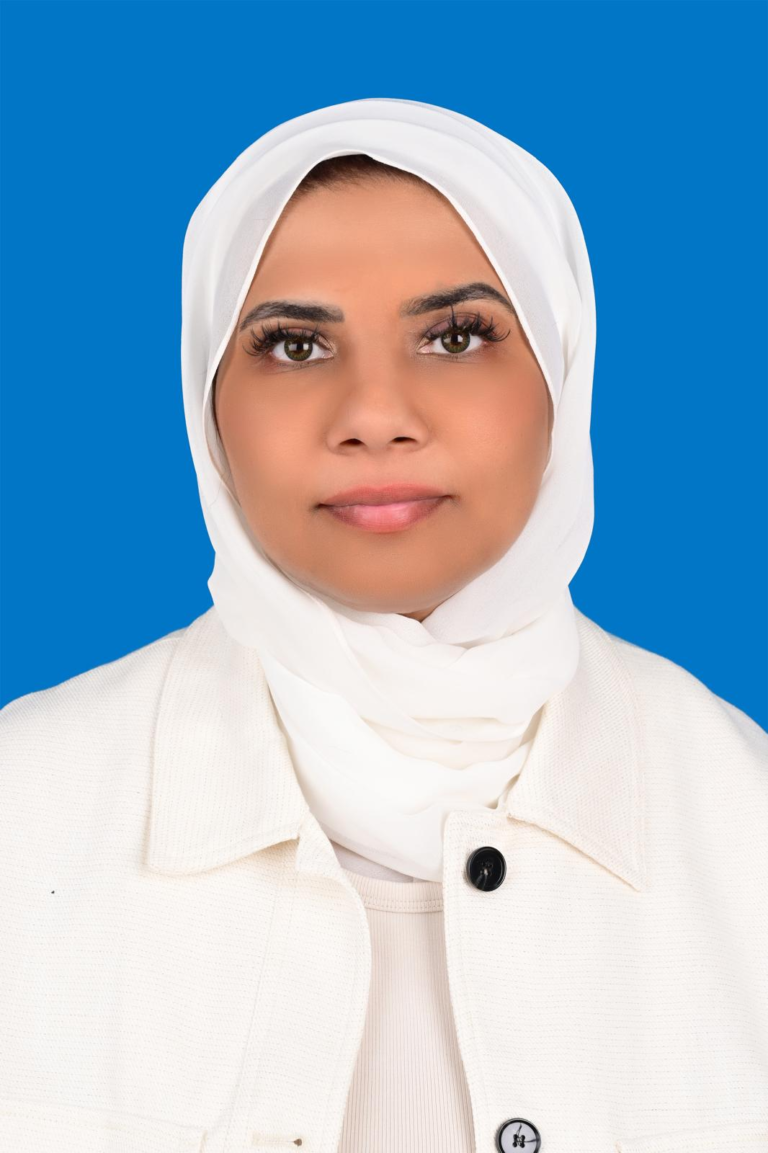
Dr. Wajdan Al-Aqab, President of the Association, said that the meeting was held under the auspices of the United Nations Office for Disaster Risk Reduction (UNDRR) and with the participation of 15 Arab civil organizations. She noted that the United Nations program invited the main group of Arab civil society organizations for disaster risk reduction to meet via Zoom. In this regard, she thanked the President of the Arab Network for Environment and Development (RAED), Dr. Emad Adly, for the network’s excellent coordination of the participation of Arab institutions and organizations in this meeting.
Dr. Al-Aqab explained that the meeting witnessed a discussion of crisis management measures and disaster risk reduction in accordance with the objectives of the United Nations Disaster Risk Reduction Programme, as well as a discussion of some of the provisions of the Sendai Convention and the extent of their implementation. She pointed out that “the meeting reviewed the various programs, forums, meetings and events in the field of disaster risk reduction and awareness through the Kuwait Environment Protection Society, which was a pioneer in organizing many events that included methods and ways to deal with a large number of risks, including organizing the National Workshop for Disaster Risk Reduction in the State of Kuwait about two years ago.”.
She explained that the most prominent thing she raised during the meeting was “the need for the United Nations Disaster Risk Reduction Programme to name and identify the contact points and officers in each Arab country so that they can be identified and cooperated with in accordance with the agreements and treaties and the need to unify ranks in the same society, and for the office to provide the contact points with a list of associations working in this field in the same country to facilitate the cooperation process. There are many events and activities that can be shared by the civil and governmental sectors, such as the celebration of the International Day for Disaster Risk Reduction, which falls on October 13, and using it to raise awareness in society, since, according to the Sendai Framework and the United Nations call, this occasion should be celebrated with the participation of all relevant governmental parties and the civil and private sectors alike.”.
She added: “The meeting discussed the similarity of obstacles to cooperation between Arab governments and their civil society institutions in the field of crisis management and disaster risk reduction,” suggesting that the invitation be directed to governments from the United Nations Disaster Risk Reduction Programme (UNDRR) office with the participation of civil society in national crisis management centers and committees, and to follow up on cooperation and benefit from local national cadres in this field.
Dr. Al-Aqab concluded by saying that she “reviewed her experience in the International Visitor Leadership Program in Crisis Management, organized by the US State Department in the United States of America. She said that the program included a visit to the headquarters of the Federal Emergency Management Agency (FEMA) in Washington, DC, and involved an intensive program of visits to several crisis management centers in several states, including Atlanta, Georgia, and Los Angeles, California.” She noted that “the cooperation between the government and civil society was evident in the Los Angeles Operations Center, where the Los Angeles Emergency Center’s experience of integrating civil society organizations into the city’s emergency services was a success, with civil society volunteers managing some services during disasters facing the city.”.