The Kuwait Environment Protection Society called for the establishment of an Arab network to monitor coral bleaching and to utilize shared data in conducting periodic studies to assess the state of coral reefs in the Arab world, as well as supporting coral farming projects in various Arab countries where coral is found.
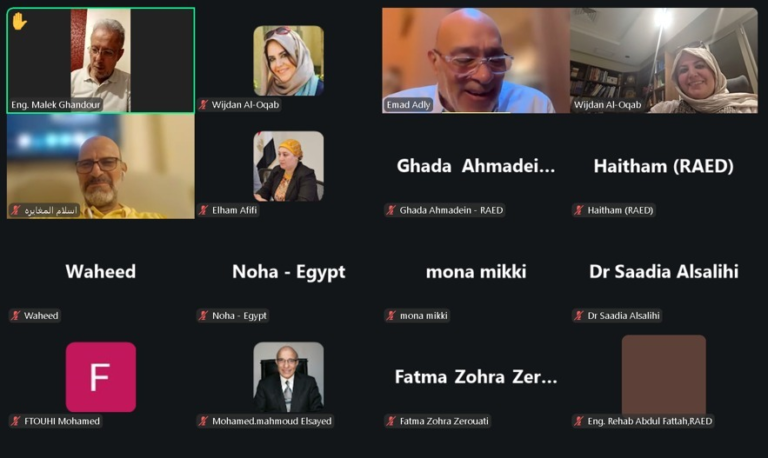
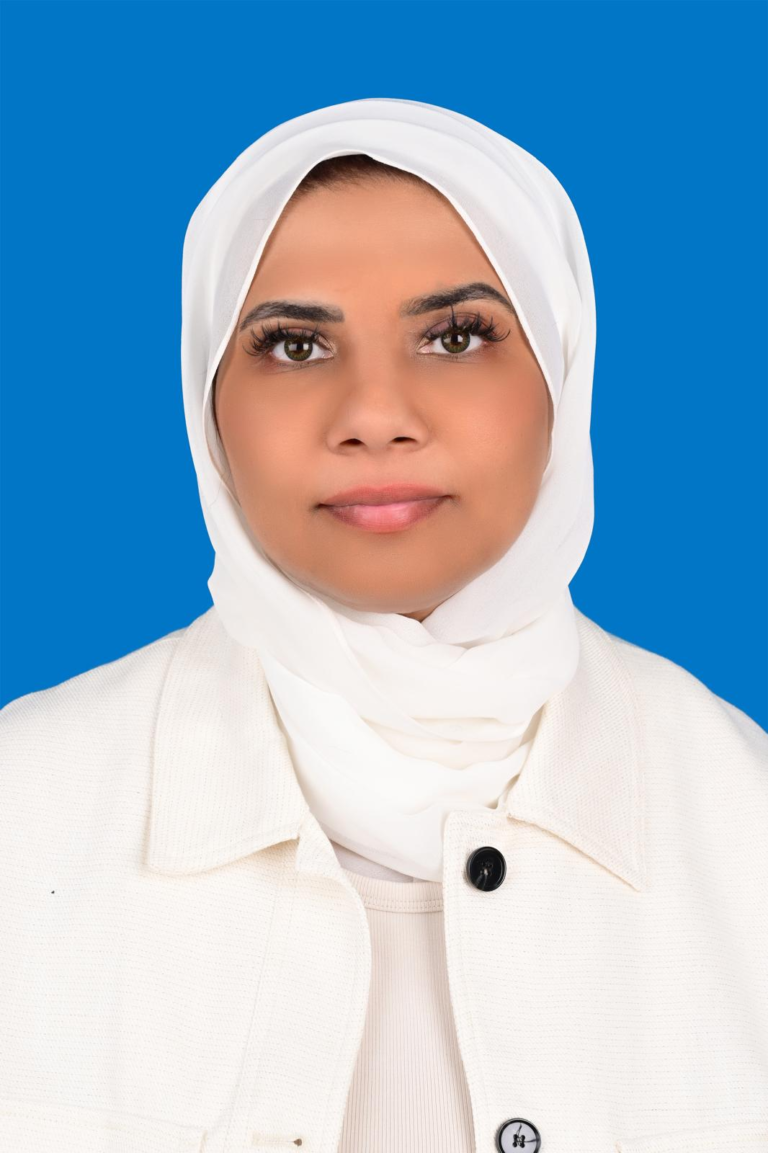
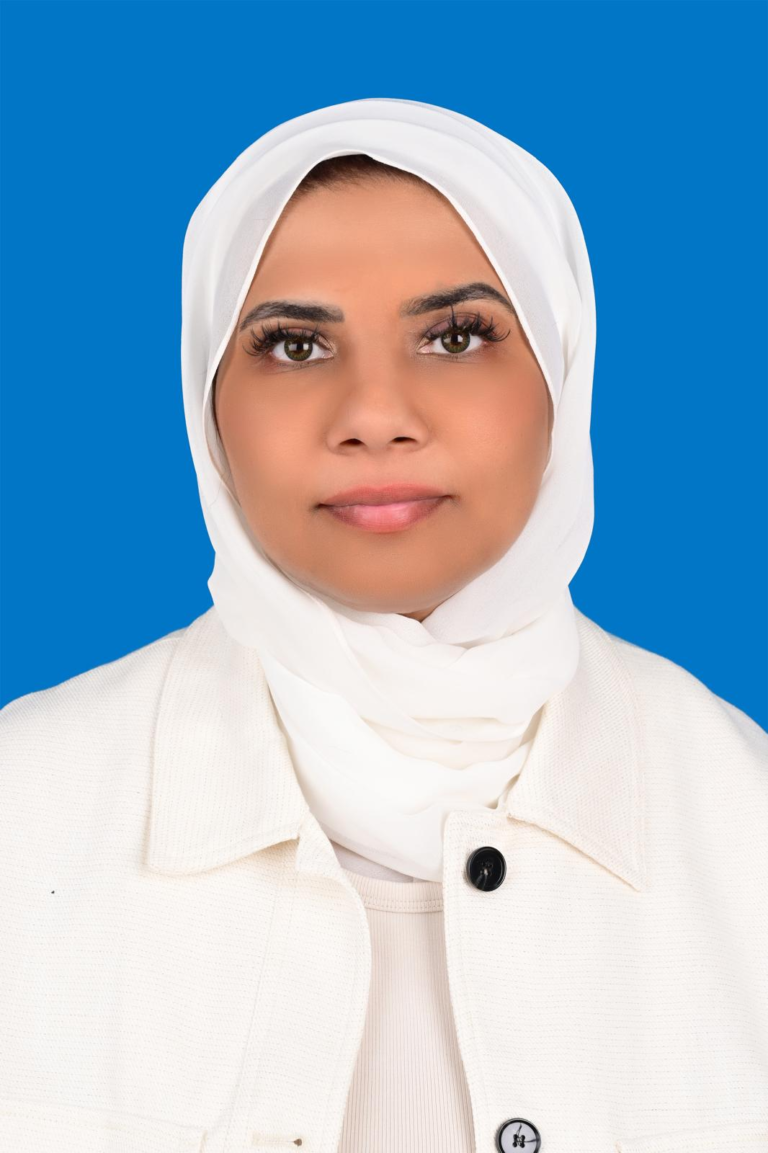
This came as part of a package of recommendations presented by the Secretary-General of the Association, Janan Behzad, during her participation in the “Civil Society Alliance Forum to Support the Green Middle East Initiative,” which was organized by the International Union for Social Responsibility and the Global Center for Sustainable Development, under the honorary patronage of His Royal Highness Prince Major General Dr. Abdulaziz bin Nasser bin Abdulaziz Al Saud, the International Ambassador for Social Responsibility. Behzad participated with a lecture entitled “The Returns from Climate Change Efforts on the Environment in the Middle East Region,” among 27 Arab academics and experts who discussed their visions during the forum sessions in supporting initiatives to protect the land and nature to enhance development and sustainable efforts.
Janan Behzad emphasized that the Green Middle East Initiative was launched to combat the causes of climate change in general, noting that national security challenges are sweeping across the region's countries, and the initiative seeks to address them properly without any further delay. She pointed out that "the Middle East region is particularly vulnerable to such effects due to its arid and semi-arid environment, where it faces climate challenges such as low rainfall, high temperatures, and dry soil (desertification). Moreover, all global studies on issues of global warming, rising sea levels, and the impact of climate change on natural habitats, the economy, and populations indicate that part of the Middle East region is at risk of becoming uninhabitable before 2100. In addition, greenhouse gases trap more energy from the sun, and the oceans absorb more heat, leading to increased sea surface temperatures and rising sea levels. Changes in ocean temperatures and currents resulting from climate change will lead to changes in climate patterns around the world.".
Behzad added that “global warming of the oceans and the continuous melting of glaciers have led to a global rise in sea level over the past half-century,” and said that “sea level rise is expected to directly affect the safety and living standards of millions of residents of coastal cities in the Arab world in the coming decades, and poses unprecedented threats to most Arab capitals with serious social and economic consequences.”.
In her lecture, the Secretary-General of the Environment Society addressed the areas where fish species are losing due to climate change, how to protect the lungs of the seas from extinction, and the consequences of increased ocean acidification. She pointed out that ocean acidification is inevitable with current carbon dioxide emissions, reduced coral reef productivity and less resistance to coral reef diseases. An increase of one degree Celsius above the maximum sea surface temperature causes heat stress and coral bleaching, so the loss of coral biodiversity is expected. She also reviewed, in part of her lecture, the importance of supporting and strengthening resilience to climate change.
Janan Behzad presented a set of recommendations, most notably “establishing a regional center specializing in monitoring the impact of climate change on different environments, specifically the marine environment, as well as establishing an institution concerned with developing adaptation measures to protect local communities, economies, and the environment. She called for supporting coral farming projects, establishing a coral bleaching monitoring network, and utilizing data to conduct periodic studies on the state of coral reefs. She also called for unifying Arab efforts in studying the state of fisheries, supporting fish farming projects, determining appropriate fishing seasons for each country, and participating in a trade agreement that would reduce pressure on fisheries. In addition, she called for reorganizing coasts in accordance with scenarios of rising sea and ocean levels to reduce the chances of accidents resulting from coastal flooding.”.