In response to the statement by the official spokesperson for the Directorate General of Civil Aviation, Abdullah Al-Rajhi, regarding delays to some flights at Kuwait International Airport due to the presence of birds near the runway, the Kuwait Environment Protection Society commends the Directorate General of Civil Aviation's commitment to the safety of passengers and aircraft and praises the diligent efforts made in this regard.
The Kuwait Environment Protection Society believes that such incidents are frequent at many airports worldwide due to a lack of data on bird behavior, feeding habits, and the nature of birds. Naturally, if an airport is located on a bird migration route, it will inevitably experience a high concentration of birds at various times of the year. Furthermore, feeding sites, which may include landfills, provide suitable food for these birds, causing them to return to the same location.
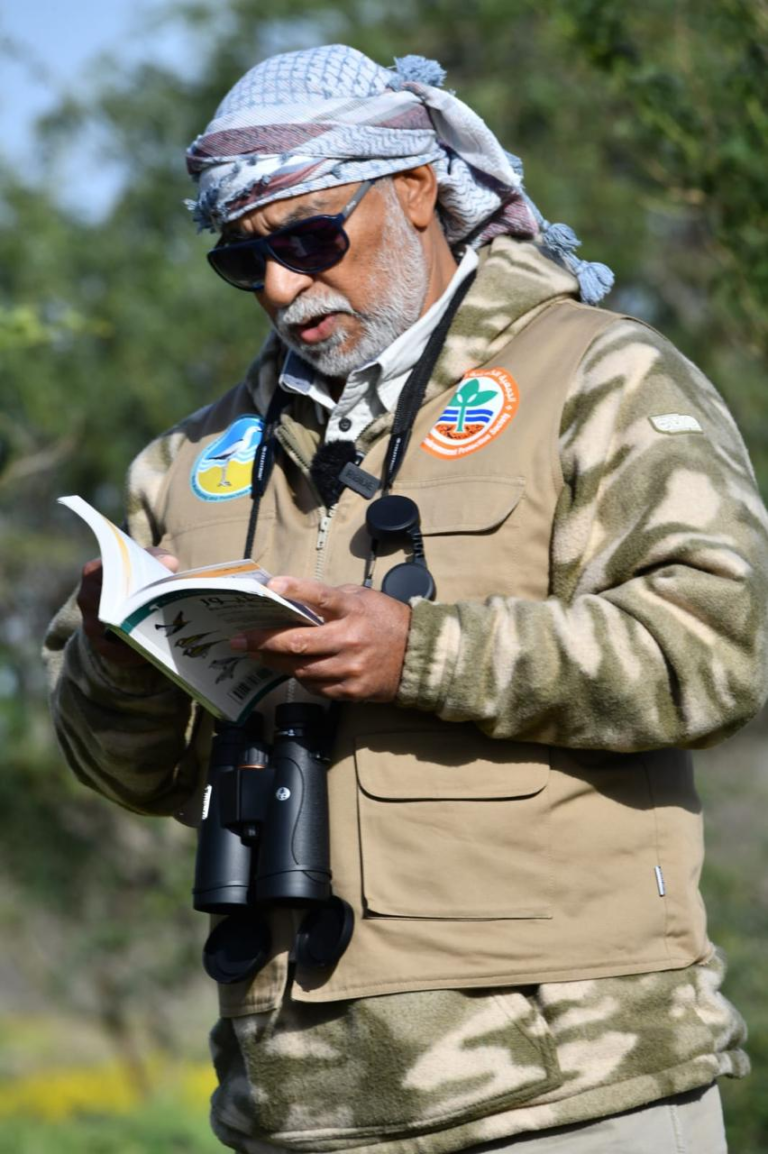
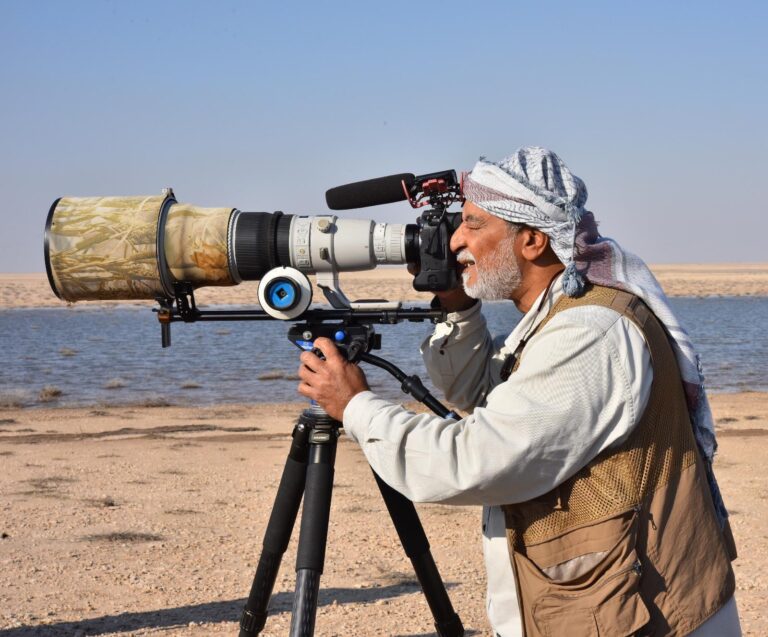
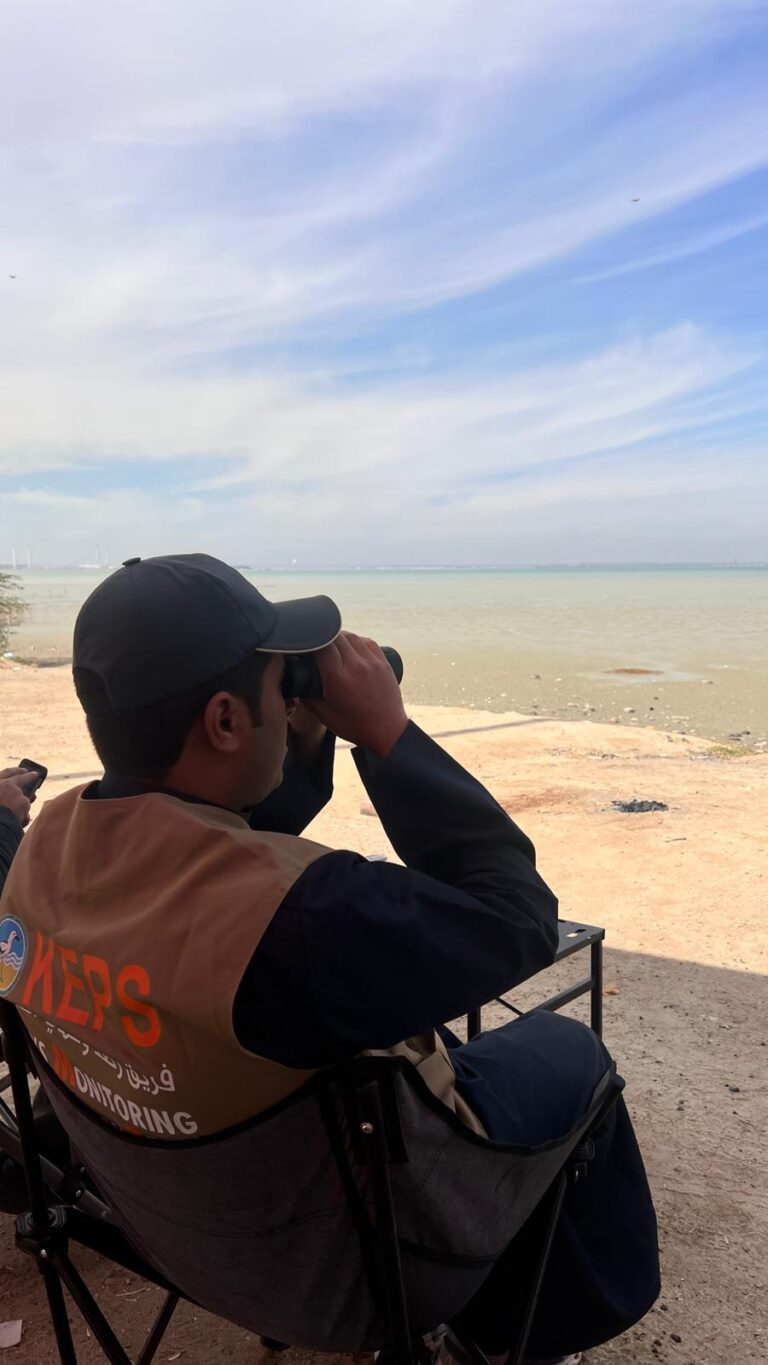
Mohammed Shah, head of the bird monitoring and protection team at the association, stated that “treating these incidents is proactive by monitoring the potential feeding sites of these birds near the airport, and utilizing the natural instinct of the creatures to avoid their presence and control their path and gathering points, which enhances and supports the safety of passengers and aircraft from these birds during takeoff or landing, in accordance with global air safety procedures to preserve the lives of passengers and avoid accidents resulting from them.”.
Shah noted that “scientific cooperation has been established with the Directorate General of Civil Aviation through a study of certain bird species that may pose a threat to Kuwait International Airport. This study was part of a report prepared by the Directorate General of Civil Aviation, in which the Society’s bird monitoring and protection team identified which birds might pose a risk to aviation based on their migration patterns and routes, particularly if these routes intersect with the airport's flight path.” He emphasized that “such a study will include aerial monitoring of sites near the airport to ensure they are free of debris that could serve as food sources for birds, thus encouraging their gathering in areas that might pose a danger to aircraft.”.
Mohammed Shah pointed out that “the statement included the presence of a black-eared kite, which is a very common migratory bird and a winter visitor found in open desert areas and near tall trees. The danger of this bird is that, due to its high density, it has been previously spotted in the Subhan area, east of the airport, and on the Seventh Ring Road south of the airport. It has also been spotted in the Jleeb Al-Shuyoukh and Sulaibiya landfills near the airport. These birds roam in these areas because of the proximity of the incinerator, where it is easy for them to obtain food. Therefore, they pose a potential danger to civil aviation.”.
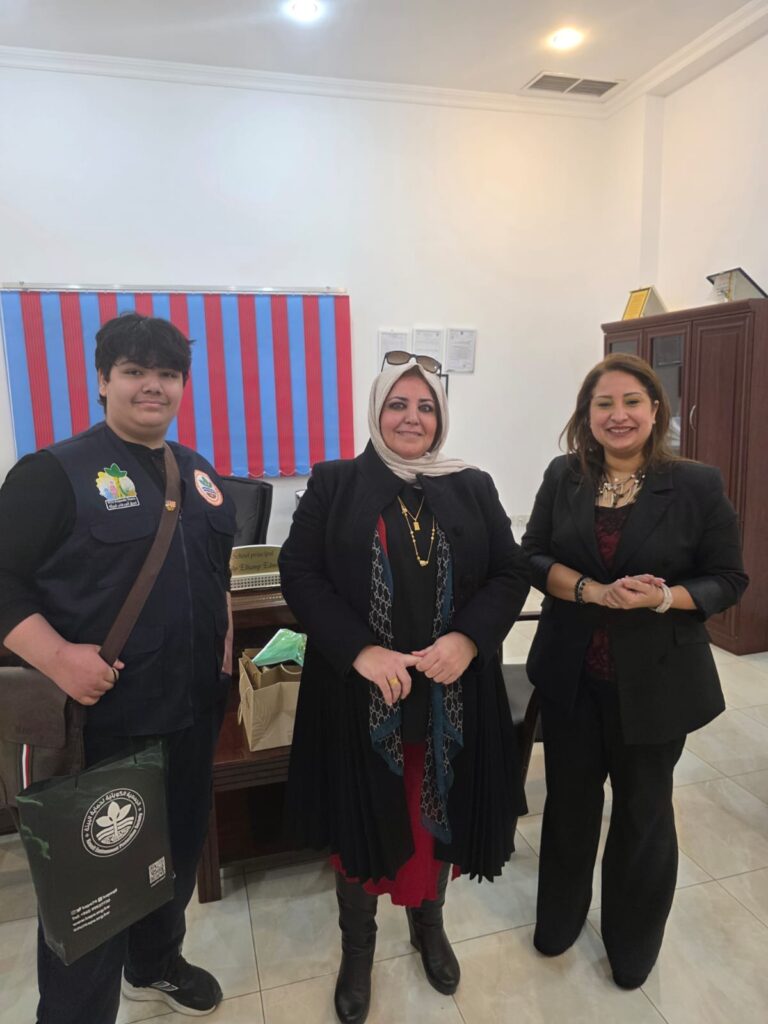
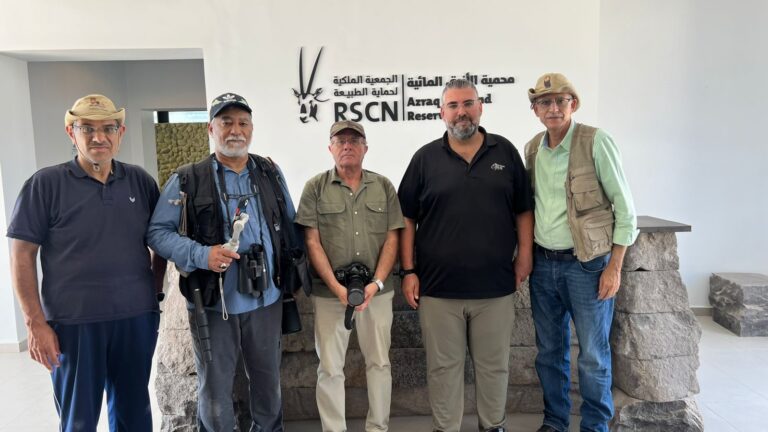
The Environment Society noted the importance of the memorandum of understanding signed between the Society and the General Directorate of Civil Aviation within the framework of the environmental partnership to develop capabilities, enhance environmental volunteer work skills, and transfer specialized technical expertise between the two sides. Cooperation will be scientific, technical, and awareness-raising in the environmental field through participation in relevant projects, and providing a framework for knowledge exchange and enhancing the scientific, practical, and technical capabilities of both parties.