The Bird Monitoring and Protection Team of the Kuwait Environment Protection Society commented on the impact of weather and natural phenomena and factors on bird migration that the country has recently experienced, noting that “in cases of high humidity or headwinds, the number of migrating birds is much lower compared to ideal conditions, due to their inability to continue migrating in those conditions,” as confirmed by Mohammed Shah, head of the Bird Monitoring and Protection Team of the Kuwait Environment Protection Society.
Shah explained in a press statement, “These factors directly affect the timing of bird movements during migration, and observers in Kuwait notice this clearly. After the north winds blow in the autumn, large numbers of migratory birds are observed, especially large ones such as birds of prey and eagles, which rely mainly on the wind for their flight. They do not flap as much as small birds because of the size of their wings, but rather they spread them out and take advantage of the hot air that rises from the ground to the top, using it to rise high while hovering in a circular motion, and then they take advantage of the direction of the wind to complete their journey towards their destination.”.
For his part, team member Mohammed Al-Hadheena pointed out that “humidity plays a negative role in its effect on migratory birds. An increase in the percentage of humidity in the air hinders the flight process, as it makes the air denser, which increases the effort required to fly, which in turn reduces the efficiency of their journey and increases the rates of exhaustion and fatigue. Likewise, crosswinds slow down the movement of birds and greatly increase their energy consumption, which may force them to stay in one place for long periods, while tailwinds support their movement and help them fly longer distances with less effort.”.
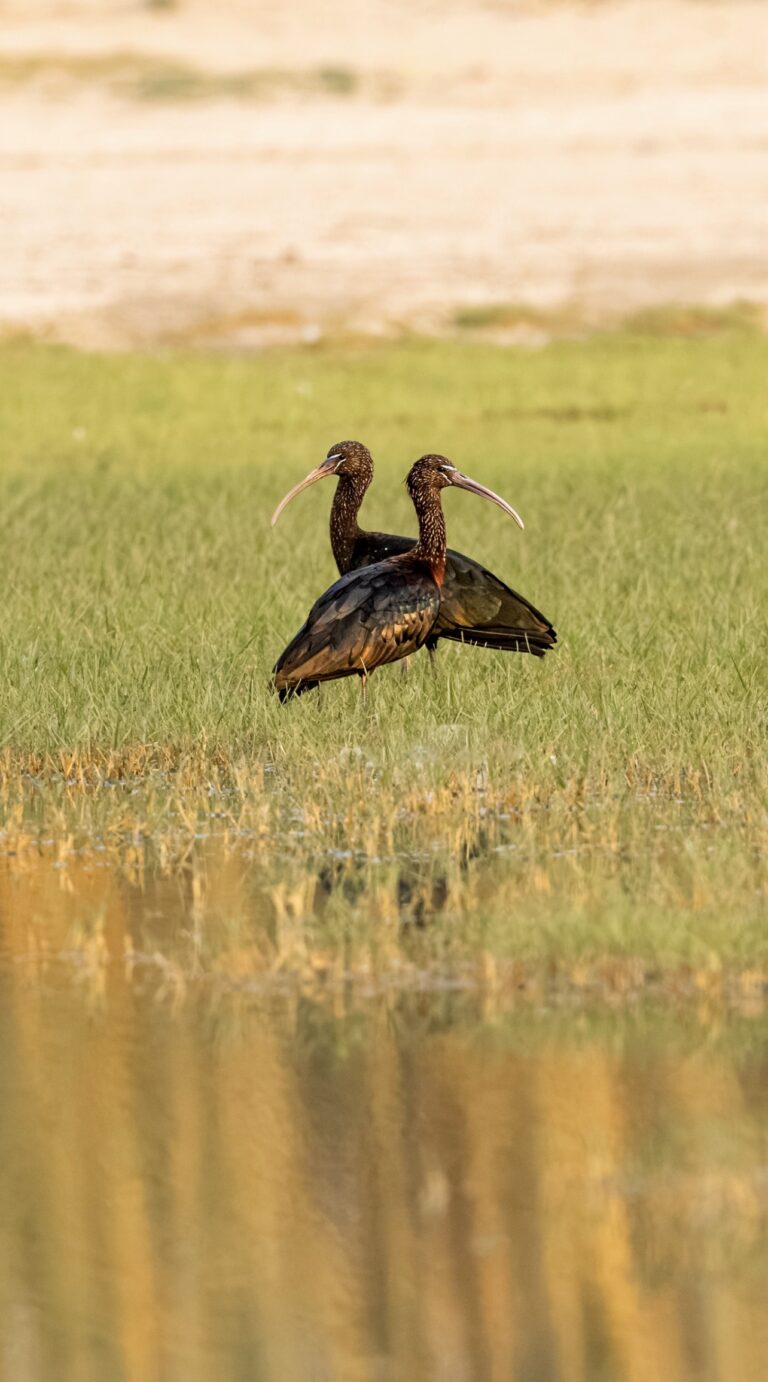
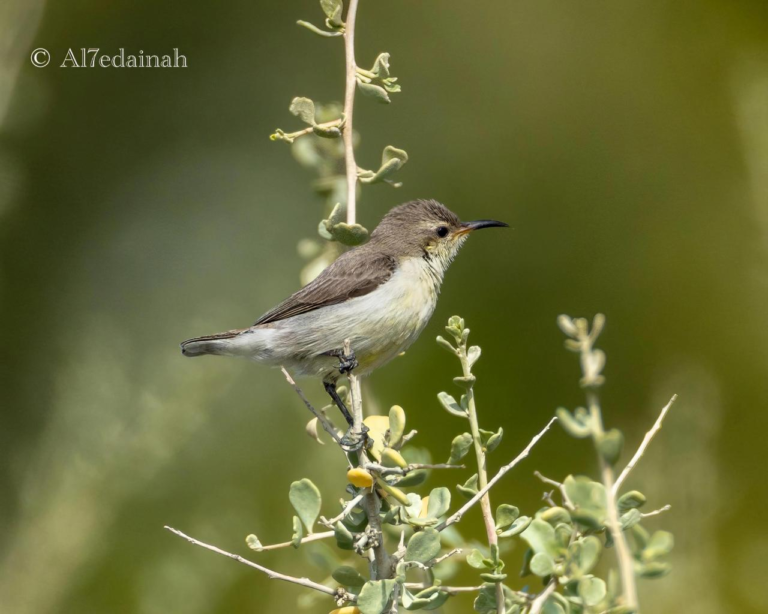
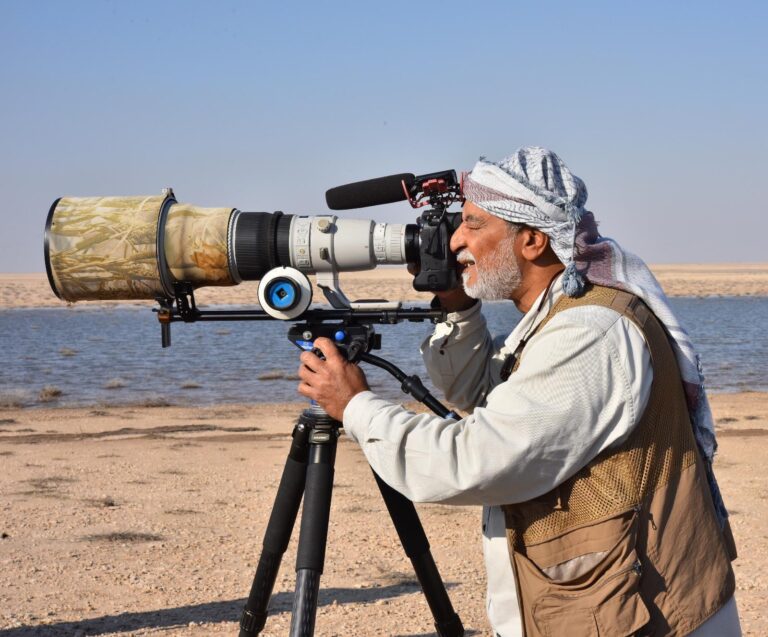
Al-Hadheena stated: “Sometimes birds are forced to land and not complete their journey in order to preserve the percentage of fat stored in their bodies, which they burn during long flights, and they remain until the weather conditions improve and the humidity decreases, and they can fly without any additional effort.” He explained that “Mohammed Al-Hadheena, a member of the bird monitoring and protection team, captured many migratory birds that came to the country and were affected by weather conditions, especially high humidity and strong winds. Among the birds observed in this context are the desert eagles, the eagles, and the eagles.“.
Mohammed Shah, head of the bird monitoring and protection team at the Environment Society, noted, “Bird migration is one of the amazing natural phenomena that occur in our world, and Kuwait is one of the main stops for migratory birds due to its strategic location in the northwest of the Arabian Gulf. This location encompasses three bird areas: the Asian and European areas, as well as parts of the Indian area, which have been divided and defined by scientists to classify birds, their types, and their presence.”.
Shah concluded by saying, “Because most non-aquatic birds coming from Central Asia and Siberia do not prefer to cross the seas, they prefer to pass through our beloved country of Kuwait, avoiding crossing the sea. Many different types of birds pass through Kuwait’s skies during their seasonal journeys in the autumn and spring. These migratory birds face many challenges during their journey to the south in the autumn and back to their breeding grounds in the north in the spring. Among these challenges are weather conditions, including high humidity and changing wind direction.”.