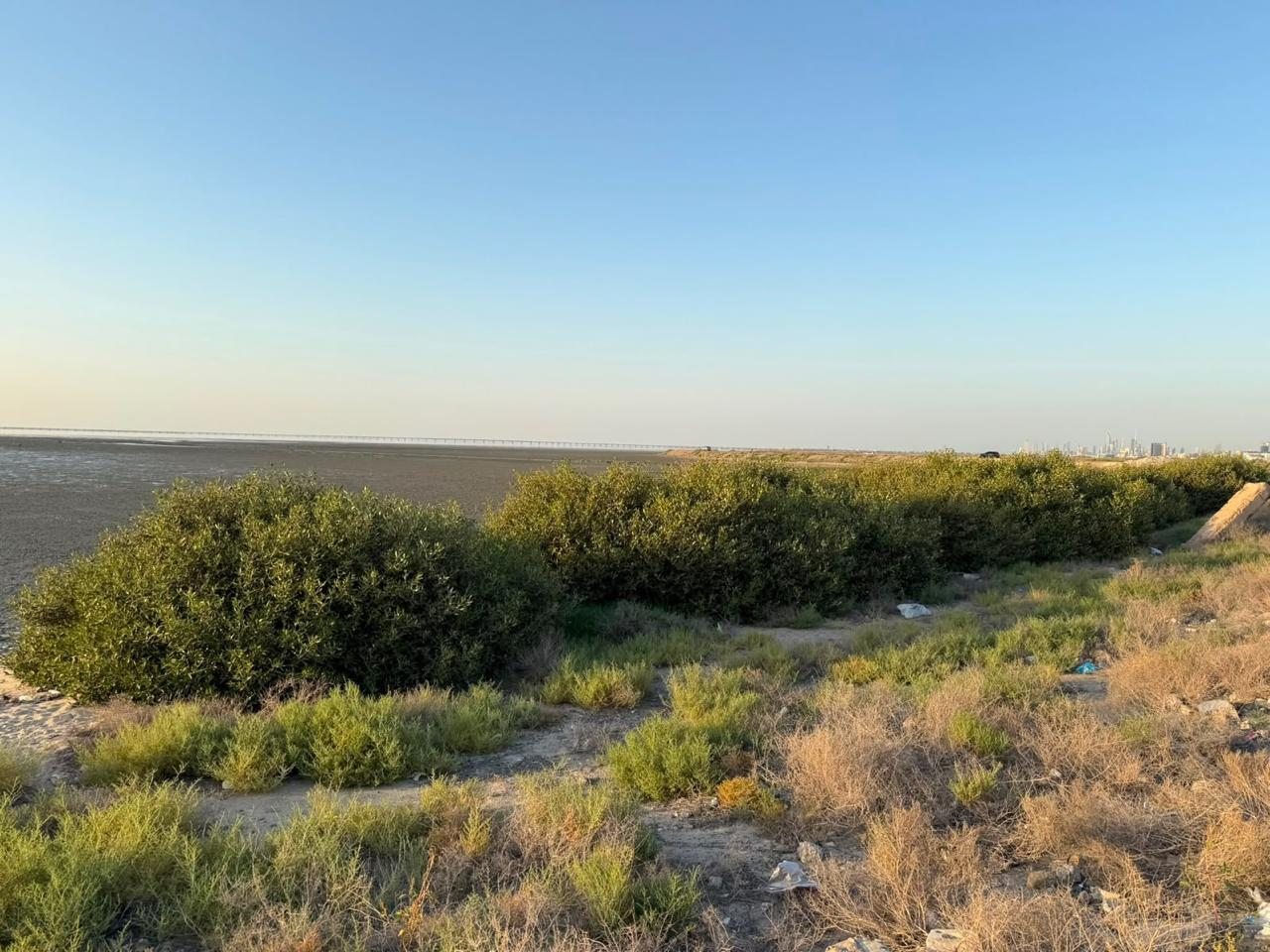
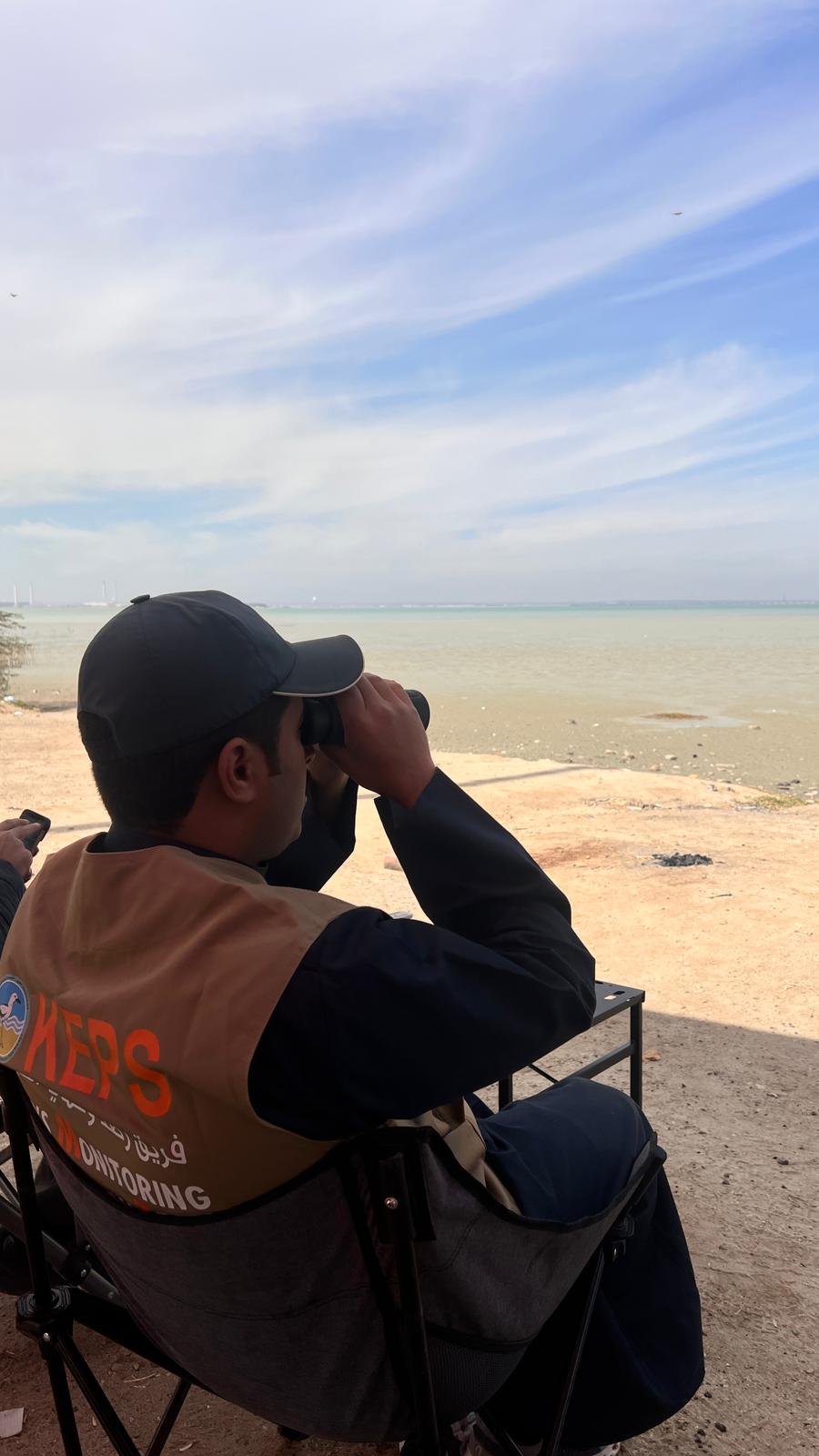
Under the patronage of the Minister of Social Affairs, Family and Childhood, Dr. Amthal Al-Huwayla, the Kuwait Environment Protection Society organized a World Winter Bird Count event near the popular café in Sulaibikhat. The event saw significant participation from government and community members. Dr. Wajdan Al-Aqab, President of the Society, emphasized that "this event falls within the Society's contribution to international environmental initiatives aimed at supporting environmental progress and strengthening its community role, as well as reinforcing environmental awareness among the public regarding the importance of preserving the country's wealth of migratory and resident birds." She noted that "the most important objective of the event is the necessity of protecting and cleaning beaches and reducing all types of waste, especially plastic, to preserve the biodiversity in this environment." Dr. Al-Aqab commended Dr. Amthal Al-Huwayla for her patronage of the event, praising her prompt response to the request for support and guidance in overcoming any obstacles faced by the teams implementing the World Winter Bird Count. She also commended the Ministry of Interior for its commitment to maintaining security, and the Environmental Police Department for its role in raising environmental awareness from a legal perspective, as well as the Medical Emergency Department for its preparedness for any emergency. She noted that the International Union for Conservation of Nature (IUCN) and BirdLife International, for example, were the event's international strategic partners. Al-Aqab explained that "the diverse participation from government agencies, civil organizations, volunteer groups, and the large number of young people and families in the bird counting event reflects and reinforces the importance of environmental awareness in Kuwait. The field activities attract members of the diplomatic corps, including ambassadors from brotherly Arab countries and friendly foreign nations, as well as a large segment of participants from various age groups. This is what the society strives to achieve through numerous programs and activities that appeal to different age groups." She noted that “the Society organized its annual celebration of World Winter Bird Count from 12:00 PM to 4:00 PM, with the participation of birdwatchers, enthusiasts, and environmental experts, as well as representatives from government agencies, civil organizations, volunteer groups and teams across the country, photography enthusiasts, student groups from the 15th season of the Green Schools Program, the Society’s Youth Environmental Team, the Friends of the Environment Team, and the general public.” Al-Aqab added that “the Society commends everyone who was able to attend and participate in this event, which was organized by the Kuwait Environment Protection Society to raise awareness about the importance of birds to our Kuwaiti environment. The Society provided fixed viewing platforms with binoculars, in addition to other activities that accompanied the bird count, including a bird photography exhibition and a beach cleanup.” For his part, Mohammed Shah, head of the bird monitoring and protection team at the society, explained that “the timing and date of bird counts vary from country to country depending on factors that might affect their stable presence and, consequently, the possibility of monitoring and counting them.” He emphasized that “the best time to count birds is during the winter bird count period in Kuwait, when bird migration is minimal or nonexistent, specifically during December and January.” Shah added, “In Kuwait, we started this activity in 2012 for only one day. This duration is insufficient for an accurate count, but it does help identify some of the bird species present at the event site. We are striving to develop this event to conduct a larger count in the coming years through a specific mechanism that invites volunteers to register on a dedicated platform for this winter census.” He continued: “This year, as a bird monitoring and protection team, we have adopted adding more than one day to the count, as was the practice in previous years, because one day and one location is not enough to know the numbers and types of birds that settled in Kuwait during the winter. Therefore, it was agreed with the team members to record and document everything that can be seen of birds starting from the beginning of this year, i.e., from January 1st to January 17th, with monitoring to be carried out throughout Kuwait.” He emphasized that “the team had previously carried out the systematic monitoring process at different times and locations in Kuwait for 2026 to be included in the annual monitoring report.” Regarding the counting methods and mechanisms employed by the team during the World Bird Counting Day celebration, Mohammed Shah explained that they were distributed between counting at a monitoring station in various areas and random observations. He added that many birds observed during the celebration were documented, including Greater Flamingos, Eurasian Herons (including Grey and Rock Herons), Kentish Plover, Common Lapwing, and Common Eurasian Humpback. He further noted that the counting process also revealed the observation of numerous types of wintering birds that remain in the country throughout January during their annual migration. He stated that the society decided to organize the World Winter Bird Counting Day event, which the team holds annually, on the third Saturday of January. This date was chosen because of the high tide, which allows wading birds and seabirds to approach the shore as closely as possible, making them easier and more accurate to count, as the tide exceeds 3 meters.
What was observed:
(200 Red-legged Sandpipers – 500 Common Sandpipers – 7 Common Sandpipers – 4 White-cheeked Bulbuls – 2 White-breasted Kingfishers – 1 Duckling – 20 Grey Herons – 1 Indian Rock Crane – 200 Greater Flamingos – 5 Eurasian Cranes – 1 Common Rooster – 3 Golden Herons – 20 Common Sandpipers – 4 Eurasian Doves – 10 Point-billed Gulls – 300 Aras Gulls – 5 Spade Terns – 50 Kentish Plovers – 20 Grey Plovers – 12 Black-legged ...