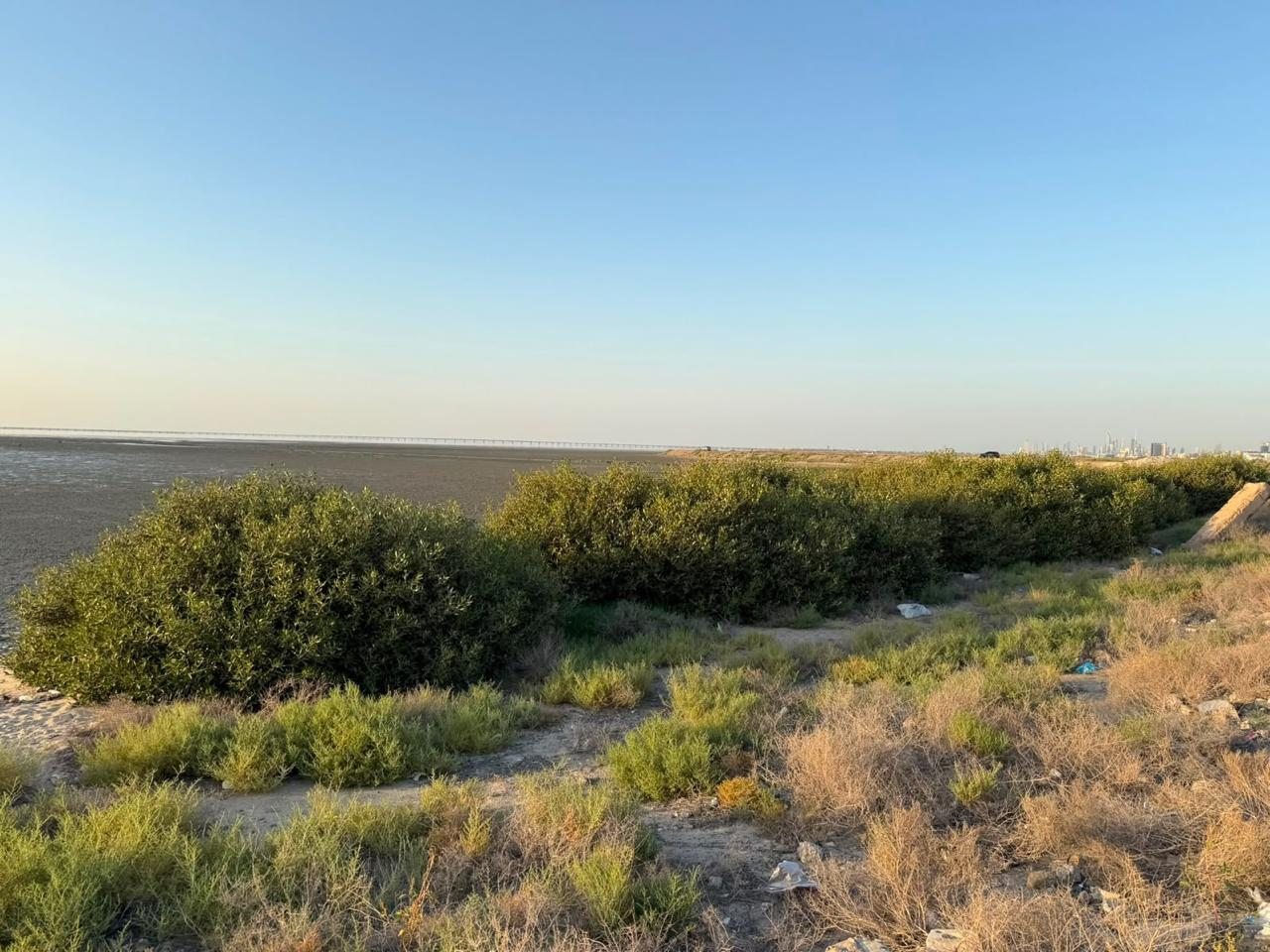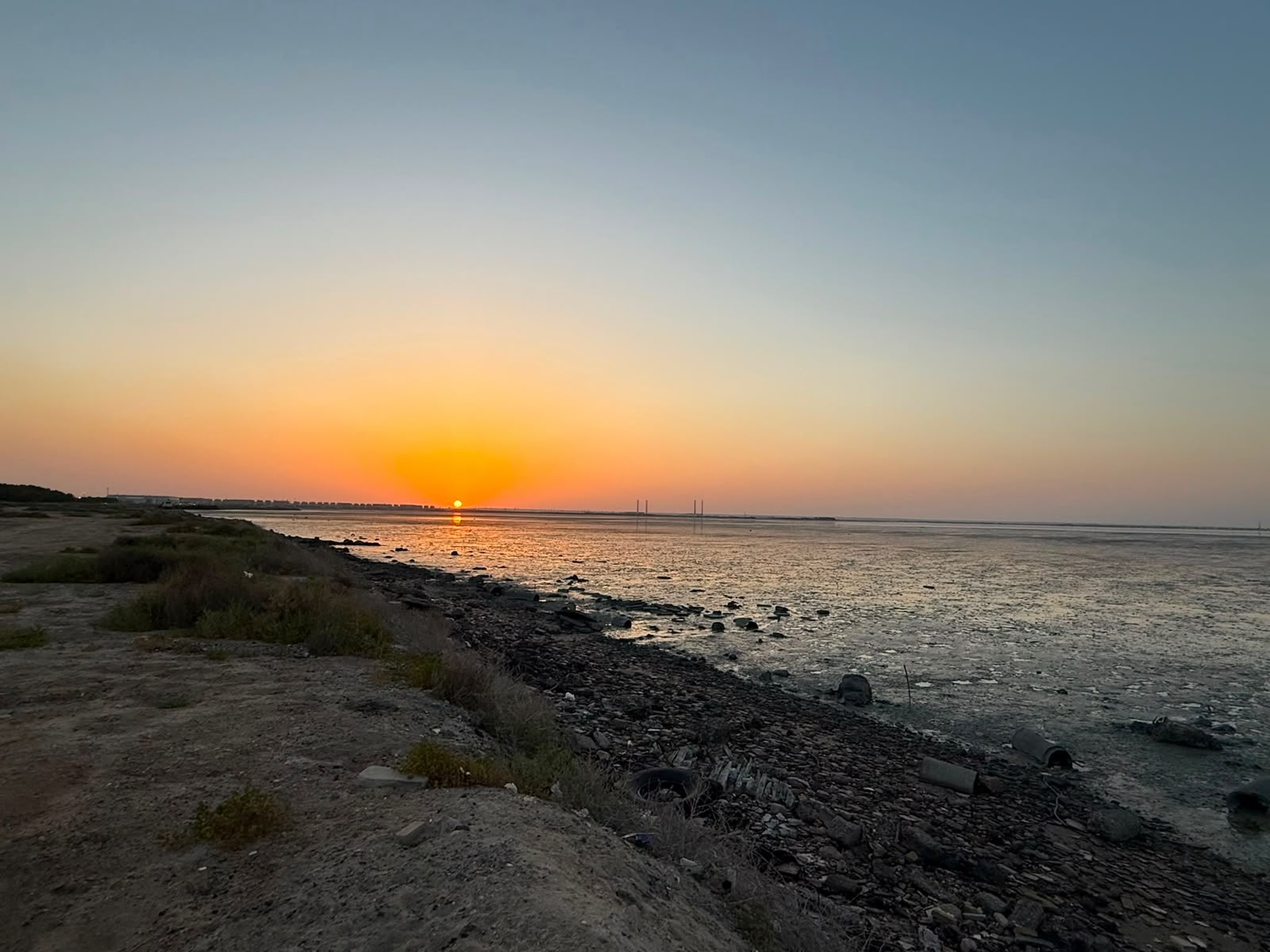
The Kuwait Environment Protection Society called for “strengthening cooperation between government agencies, civil society organizations, and the private sector to support wetland conservation programs and expand related scientific and awareness initiatives, thereby contributing to the protection of Kuwait’s natural heritage and the preservation of its internationally important environmental sites.” In a press statement today, the Society’s Secretary-General, Jenan Behzad, emphasized that “wetlands represent one of the most important natural ecosystems supporting efforts to adapt to climate change.” She noted that they “play a pivotal role in carbon sequestration, coastal protection, water quality improvement, and supporting biodiversity at both the local and global levels.” Behzad stated that “recent international reports indicate the loss of more than 351 TP3T of wetlands worldwide since 1970, a rate of degradation exceeding that of many other ecosystems, which poses a direct threat to native species and the planet’s natural capacity to cope with the effects of climate change.” She stated that “wetlands are a crucial element in global bird migration routes, as millions of migratory birds rely on these sites for feeding, resting, and replenishing their energy during their long journeys between continents,” emphasizing that “any degradation or loss of these habitats directly impacts the sustainability of these vital routes.” She added that “Kuwait possesses wetlands of global environmental importance, most notably the Mubarak Al-Kabeer Reserve on Bubiyan Island and the mudflats and coastal areas of Kuwait Bay, which host large numbers of migratory birds annually and are an important part of the network of sites supporting biodiversity in the region.” Behzad stressed “the importance of strengthening national efforts aimed at protecting wetlands and rehabilitating damaged ones, and integrating them more fully into national plans for adapting to climate change and achieving the Sustainable Development Goals,” noting that “investing in protecting these ecosystems is among the most efficient and least costly natural solutions compared to traditional engineering solutions.” She explained that “protecting wetlands is not limited to preserving birds and wildlife, but extends to protecting natural resources, enhancing environmental security, and strengthening communities” resilience to extreme weather events.“ She noted that ”preserving wetlands is no longer just an environmental choice, but has become a strategic imperative to address accelerating climate challenges and ensure a more sustainable future for generations to come.”.