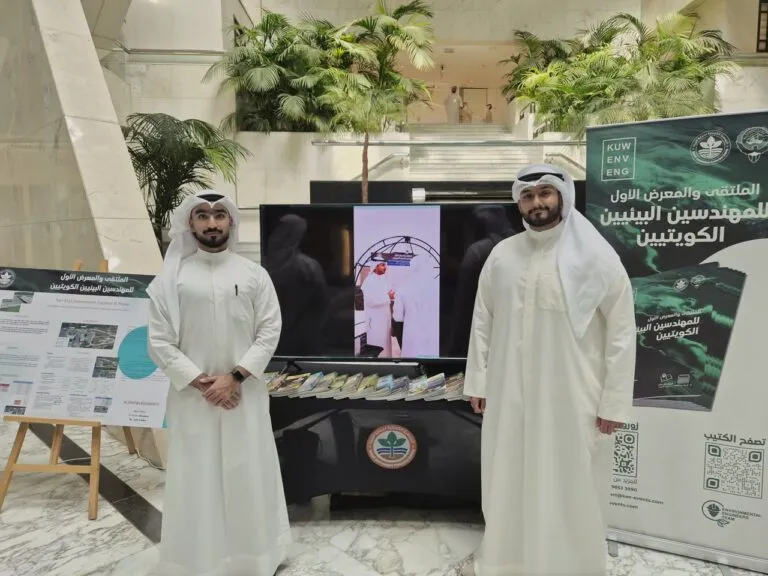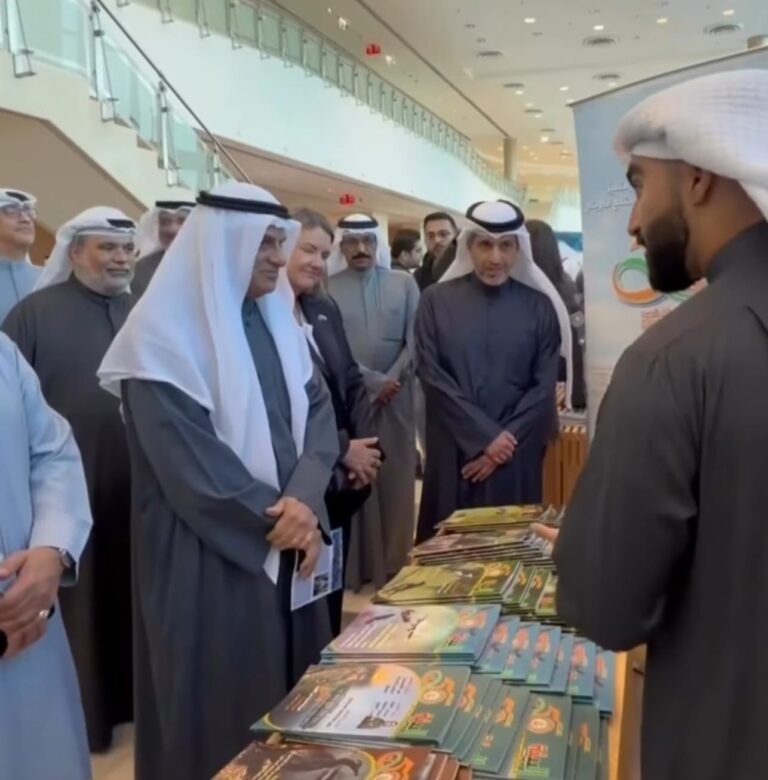
Coinciding with the announcement of the results of our high school graduates, the Environmental Engineers Team of the Kuwait Environment Protection Society was keen to participate in the “Engineering Specializations Exhibition” organized by the Kuwaiti Society of Engineers, where the team invited students of the science section who obtained it to study the specialization of environmental engineering, in order to qualify national cadres capable of meeting the requirements of “green jobs” and the sustainable governmental directions in the country.
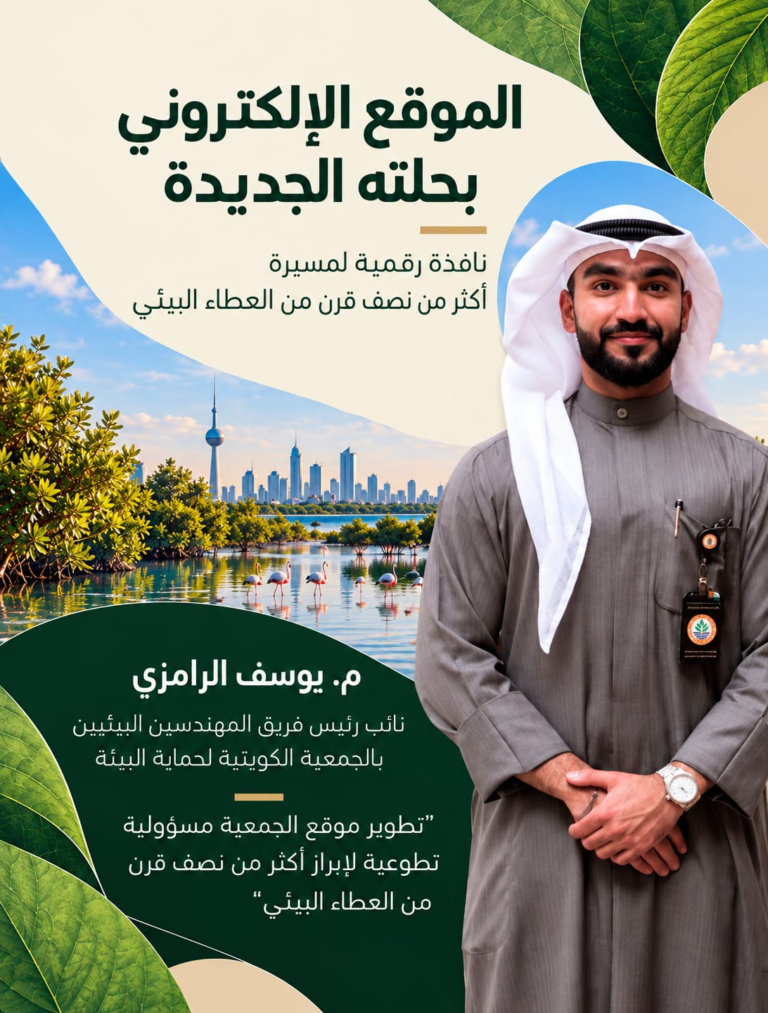
In a press statement today, the official spokesperson and Vice-Head of the Environmental Engineers Team at the Environment Society, Environmental Engineer Yousef Abdulredha Alramzi, highlighted the importance of this call to action to keep pace with the job market following the Civil Service Bureau's inclusion of the title "Environmental Engineer" in government employment plans. Engineer Alramzi pointed out that "one of the most important objectives of studying environmental engineering is to equip environmental engineers with a thorough understanding of its concepts, tasks, and responsibilities related to the environment. This includes the ability to work on rehabilitating contaminated land and groundwater, preparing environmental impact studies for major infrastructure engineering projects, and possessing knowledge of renewable energy systems. Furthermore, environmental engineers work on designing sustainable waste management systems, improving waste and wastewater treatment, addressing environmental degradation, providing sustainable solutions, combating global warming, and mitigating the effects of current pollution by reducing and addressing the environmental and carbon footprint in urban and rural communities.".
He stated that “the environmental engineer is authorized and prepared to work on developing, implementing and monitoring good technologies and practices that increase sustainability and protect the environment, in addition to identifying the best paths and ways to work to address and contain environmental risks, providing appropriate ideas, and participating in setting regulations that work to prevent and stop environmental accidents.”.
He explained that “the environmental engineer, with accumulated experience, is concerned with providing advice to companies and government agencies on the correct work systems and policies for disposing of waste of different types and degrees of risk, and participating with other sectors specializing in sustainable cities and sustainable consumption, in addition to conducting inspections of facilities and factories to ensure their commitment and compliance with environmental policies, programs and regulations.”.
He affirmed that “the future of environmental engineering is promising in terms of career prospects, as the Ministry of Higher Education’s commitment to including this specialization in scholarship programs for at least ten years provides academic support for this field. Furthermore, the Environmental Protection Law No. 42 of 2014, through Article 119, which mandates the establishment of environmental departments in all ministries and agencies, supports this, confirming the readiness of organizational structures to absorb environmental engineering graduates.”.
M. Alramzi concluded by emphasizing that “the inclusion of the title of Environmental Engineer in the Civil Service Bureau is the final step in securing job opportunities that make the future of choosing this specialization job-wise secure,” adding, “Therefore, the team of environmental engineers in the Kuwait Environment Protection Society was keen to spread the call among high school students and encourage them to enroll in this modern and contemporary study that is intertwined with all areas of the global Sustainable Development Goals for 2030 and consistent with Kuwait Vision 2035.”.