The team of environmental engineers affiliated with the Kuwait Environment Protection Society confirmed that its participation in the “Campaign to Raise Awareness of the International Day for Preventing the Exploitation of the Environment in War and Armed Conflicts – November 6” falls within the framework of its field community participations to raise awareness of its scientific and practical tasks and roles, and to apply modern engineering systems with simulation models to overcome many obstacles and innovate solutions to overcome and deal with environmental issues, in addition to including these participations in the Society’s events and activities on the occasion of its celebration of its golden jubilee and the 50th anniversary of its establishment in 1974.
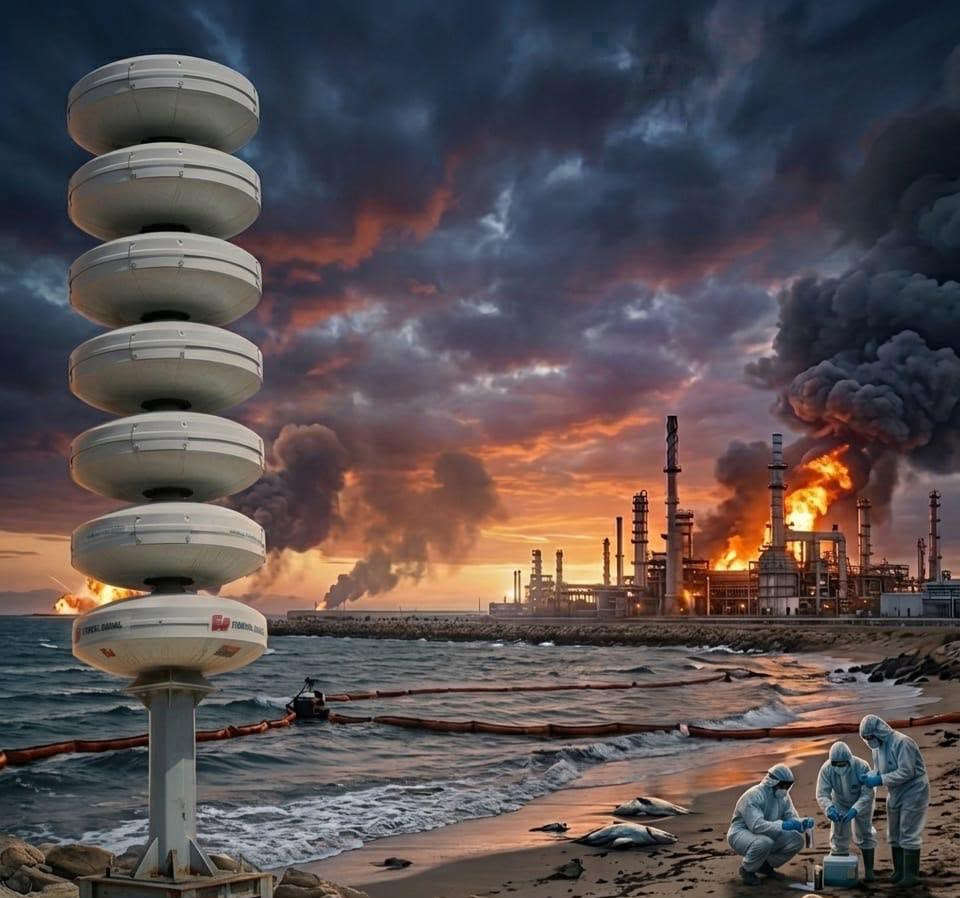
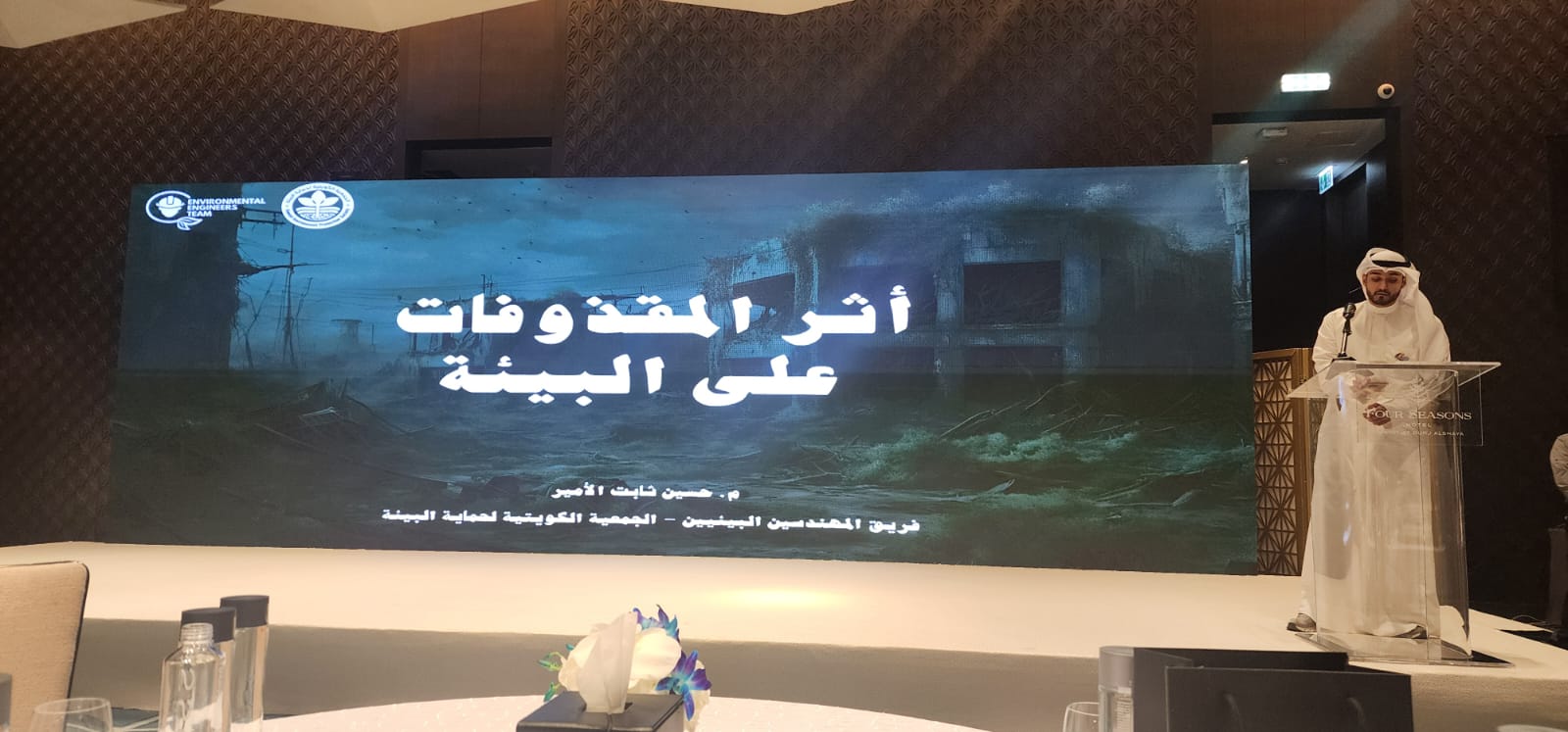
In this context, Engineer Hussein Thabet Al-Amir, the official coordinator and team member, delivered a scientific lecture and a visual presentation during the celebration of the International Day for Preventing the Exploitation of the Environment in War and Armed Conflicts, entitled “The Impact of Projectiles on the Environment,” which included the reality of the war on Gaza, namely “the environmental impact and damage, and the resistance of innovators,” shedding light on how science and engineering deal with the severe shortage of drinking water, groundwater pollution, lack of electricity and air pollution in the steadfast Gaza Strip.
During his discussion of the environmental impact and damage, Mr. Al-Amir focused on the decline in air quality, drinking water quality, and groundwater suitability, highlighting the severe environmental impact on the Gaza Strip as a real-world case study of the effects of projectiles on the environment. He explained that “the bombing and destruction of infrastructure resulted in drinking water contaminated with harmful microbes and bacteria, leading to the spread of numerous diseases. Furthermore, the bombs and explosives contained chemical components that deliberately caused direct contamination of fresh water.” Regarding groundwater contamination, he stated, “Attacks on factories and agricultural facilities, along with military waste from explosives, projectiles, and ammunition, and the chemical residues left over from military bombings, break down and reach the groundwater aquifers.”.
He explained that “the damage also affects air quality, as explosives contain harmful metals and chemicals that evaporate into the air when they explode. Some of these materials, such as white phosphorus or depleted uranium, are carcinogenic or affect the nervous system,” while also pointing to the impact of explosions on structures and infrastructure, noting that explosions targeting buildings and infrastructure release building materials such as asbestos cement and other toxic substances into the air.
Mr. Hussein Al-Amir then moved on to discuss “The Resilience of Innovators,” the most important part of the lecture. This section highlighted the significance of science and engineering, and the role of science and innovation in confronting challenges where sound reasoning is difficult due to dire circumstances, as is the case in Gaza. He presented what he termed “Gaza-based scientific innovations,” developed under oppressive living conditions, utilizing minimal resources and recyclable materials to overcome some of the most critical difficulties threatening the lives of our brothers and sisters in Gaza, such as the severe shortages of drinking water and food, and the ongoing power and fuel outages. This material was compiled through daily observation of events, aimed at studying and documenting the catastrophic situation in the beleaguered Gaza Strip.
Speaking about the solar still, he said, “The displaced Palestinian engineer, Inas Al-Ghoul, was able to create a desalination system that converts salty seawater into potable water. The solar still consists of a wooden box enclosed with glass and leather, with openings for water to enter and exit. The device uses solar energy to distill the water, producing pure water from polluted or salty water by heating the water using solar power.”.
Regarding wind energy, the official coordinator of the environmental engineers team at the Environment Society explained that “Newton Gaza’s wind turbines, which adorned his modest rooftop, converted wind energy into electricity, charging batteries and powering the tents of displaced people. Solar panels were salvaged from the rubble of destroyed buildings and reused to charge the phones of displaced people, preventing them from being cut off from the world.”.
As for the fuel shortage, diesel was manufactured through recycling plastic, where iron furnaces were used to cook the plastic at high temperatures, and it turned into diesel or gasoline that was collected after cooling.”.
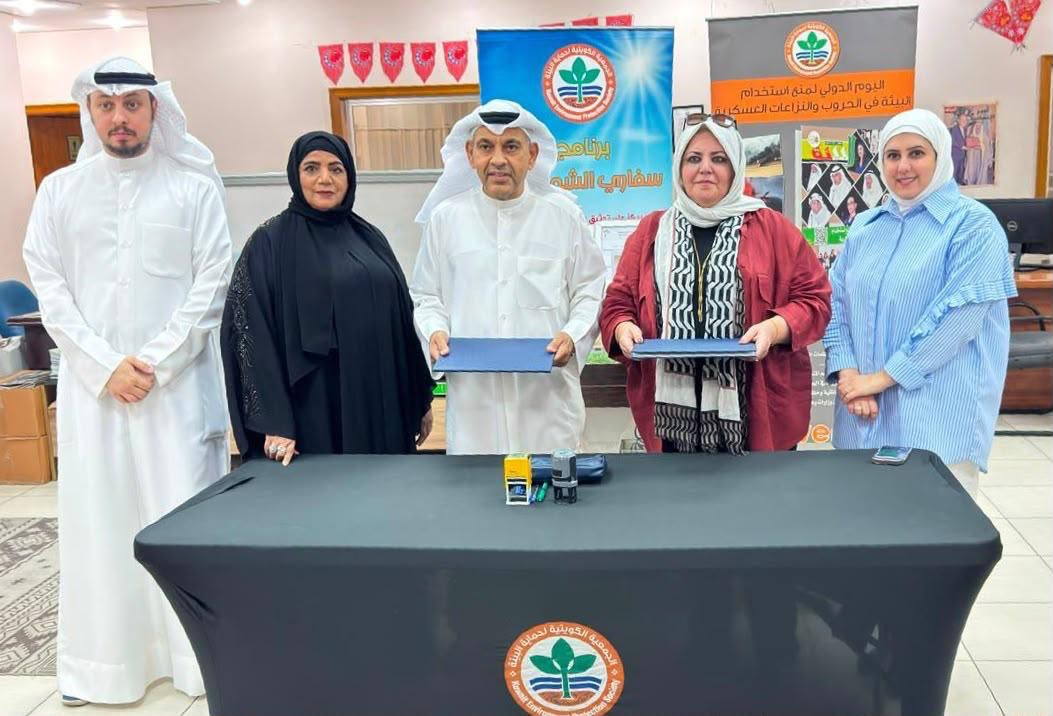
Mr. Al-Amir concluded by saying: “The Environmental Engineers Team at the Environment Society, which started its journey two years ago on November 6, 2022, is launching today the announcement of organizing the “First Kuwaiti Environmental Engineers Forum and Exhibition” on December 16-17, with the support of the Kuwait Foundation for the Advancement of Sciences. It is the first platform of its kind to register and bring together Kuwaiti environmental engineers in one place that highlights their capabilities,” extending an open invitation to environmental engineers to register and present their distinguished and diverse graduation projects.
He noted that the team includes “Eng. Sarah Al-Ramzi, founder and head of the team, Eng. Yousef Al-Ramzi, official spokesperson, Eng. Hussein Al-Amir, official coordinator, Eng. Abdullah Al-Omran, member, Eng. Hamad Al-Azmi, member, and Eng. Mubarak Al-Mutairi, member.”.